

The Essential Guide to Compound Trace Minerals for Healthy Swine Nutrition
Release time:
2026-04-16 11:50
Source:
The Essential Guide to Compound Trace Minerals for Healthy Swine Nutrition
In the world of swine production, ensuring the health and growth of pigs is paramount. One critical factor that often goes overlooked is the role of compound trace minerals in swine nutrition. This guide aims to provide a comprehensive understanding of trace minerals, their impact on swine health, and how to effectively incorporate them into feeding practices.
Table of Contents
- 1. Introduction to Compound Trace Minerals
- 2. Importance of Trace Minerals in Swine Diet
- 3. Essential Trace Minerals for Swine
- 4. Signs of Trace Mineral Deficiency in Swine
- 5. Natural and Supplementary Sources of Trace Minerals
- 6. Incorporating Trace Minerals into Swine Nutrition
- 7. Regulatory Guidelines on Trace Minerals in Swine Feed
- 8. Common Myths About Trace Minerals
- 9. Conclusion
- 10. FAQs about Compound Trace Minerals
1. Introduction to Compound Trace Minerals
Trace minerals are vital nutrients that play a significant role in the overall health and productivity of swine. These minerals are categorized as "trace" because they are required in minute amounts, yet their impact is profound. They facilitate numerous physiological processes including enzyme function, immune response, and growth regulation. Understanding the nuances of compound trace minerals is essential for swine producers aiming to optimize their herd's health and productivity.
2. Importance of Trace Minerals in Swine Diet
The importance of trace minerals cannot be overstated. They contribute to various metabolic functions that are crucial for maintaining optimal health in swine. Key benefits of incorporating adequate amounts of trace minerals include:
- Improved Growth Rates: Trace minerals support growth by influencing feed efficiency and nutrient absorption.
- Enhanced Immune Function: They play a crucial role in the development and functioning of the immune system, helping swine resist infections.
- Reproductive Health: Adequate trace mineral levels are vital for reproductive success and the overall health of offspring.
- Stress Resistance: Trace minerals help pigs cope with environmental stresses, ensuring better overall welfare.
3. Essential Trace Minerals for Swine
While there are several trace minerals essential for swine health, the most critical include:
Copper (Cu)
Copper is essential for iron metabolism and plays a significant role in preventing anemia. It also aids in the development of connective tissues and the immune system.
Zinc (Zn)
Zinc is crucial for skin health and immune function. It also supports growth and reproductive health.
Iron (Fe)
Iron is essential for hemoglobin production and helps prevent anemia, especially in piglets.
Manganese (Mn)
Manganese is important for bone formation, energy metabolism, and enzymatic functions.
Selenium (Se)
Selenium is a potent antioxidant and plays a role in immune function, reproduction, and muscle development.
4. Signs of Trace Mineral Deficiency in Swine
Recognizing the signs of trace mineral deficiency is crucial for maintaining herd health. Common symptoms include:
- Growth Retardation: Pigs may show stunted growth or poor weight gain.
- Poor Reproductive Performance: Low conception rates and increased stillbirths can be indicative of deficiencies.
- Skin Lesions or Dermatitis: This may signal a zinc deficiency.
- Weakened Immune Response: Increased susceptibility to diseases can be a result of inadequate mineral intake.
5. Natural and Supplementary Sources of Trace Minerals
Trace minerals can be sourced from both natural feed ingredients and supplements. Common sources include:
Natural Sources
- Fish Meal: Rich in zinc and selenium.
- Legumes: Good sources of manganese and copper.
- Whole Grains: Provide a variety of trace minerals.
Supplementary Sources
- Mineral Premixes: These are designed to provide the necessary trace minerals in a balanced form.
- Organic Trace Minerals: Chelated minerals that enhance absorption could be beneficial.
6. Incorporating Trace Minerals into Swine Nutrition
Incorporating trace minerals into swine nutrition requires a strategic approach. Here are some key considerations:
Balanced Diet Formulation
It is essential to formulate a balanced diet that meets the specific needs of your swine. Regular analysis of feed ingredients can help determine the necessary supplementation.
Monitoring and Adjusting Mineral Levels
Routine testing of blood and tissue mineral levels can provide insights into the sufficiency of trace minerals in the diet. Adjustments should be made based on these analyses.
7. Regulatory Guidelines on Trace Minerals in Swine Feed
Understanding the regulatory framework governing the use of trace minerals in swine feed is crucial for compliance and animal welfare. Regulations may vary by country, but key points typically include:
- Acceptable limits for various trace minerals.
- Labeling requirements for mineral supplements.
- Guidelines for ensuring animal safety and food quality.
8. Common Myths About Trace Minerals
Several myths surround the topic of trace minerals in swine nutrition. Dispel these misconceptions to enhance your understanding:
Myth 1: Trace Minerals Are Not Necessary in All Diets
Truth: All pigs require trace minerals, regardless of their age or production stage.
Myth 2: More is Always Better
Truth: Over-supplementation can lead to toxicity and adverse health effects.
Myth 3: Natural Sources Are Always Sufficient
Truth: Natural sources may not always provide adequate levels, necessitating supplementation.
9. Conclusion
In conclusion, understanding and implementing the right levels of compound trace minerals in swine nutrition is essential for achieving optimal health and productivity. By ensuring that swine receive adequate trace minerals, producers can improve growth rates, enhance immune function, and promote reproductive success. The path to a healthier herd starts with informed nutritional decisions, appropriate supplementation, and continuous monitoring.
10. FAQs about Compound Trace Minerals
1. What are compound trace minerals?
Compound trace minerals are essential nutrients required in small amounts for various physiological processes in pigs, including growth, immune function, and reproduction.
2. How do I know if my pigs are deficient in trace minerals?
Signs of deficiency include poor growth rates, weakened immune response, skin lesions, and reproductive issues.
3. Can I provide trace minerals through feed alone?
While some natural feed ingredients contain trace minerals, supplementation is often necessary to meet specific nutritional needs.
4. Are organic trace minerals better than inorganic ones?
Organic trace minerals are often more bioavailable, meaning they are absorbed better by the body, but the choice between organic and inorganic sources depends on specific production goals.
5. How can I monitor trace mineral levels in my pigs?
Regular blood and tissue testing, along with monitoring growth performance and health status, can help assess trace mineral levels effectively.
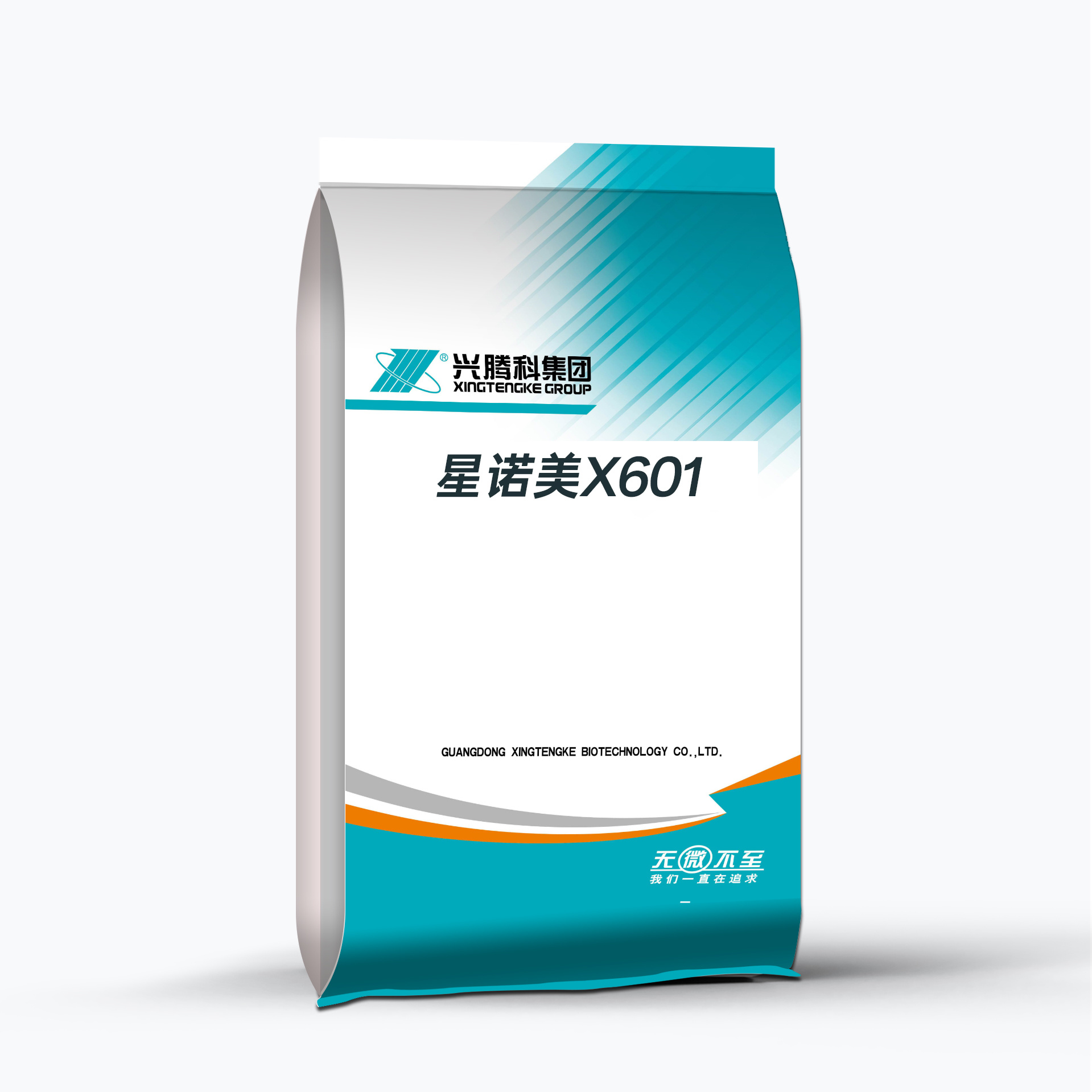
compound trace minerals for swine nutrition


Suntaq International Limited





Contact Information
Add: No.5, Circuit Road, Zhaoqing High-tech Zone, Guangdong Province
Email: cson54@xingtengke.com
WhatsApp: +86-13602982201