

Unlocking the Benefits of Trace Mineral Premix for Poultry Farming
Release time:
2026-04-10 11:10
Source:
Trace mineral premixes play a crucial role in poultry farming, providing essential nutrients that are often lacking in conventional feed formulations. These micronutrients, including zinc, copper, manganese, selenium, and iodine, are vital for various physiological functions in birds, including growth, reproduction, and immune response. Understanding the significance of trace minerals can help poultry farmers optimize their feeding strategies and improve overall flock health.
Trace minerals contribute to the development of strong bones and feathers in poultry. For instance, manganese is essential for bone formation, while zinc supports feather development and overall growth. Adequate levels of these minerals can lead to healthier birds, which, in turn, may enhance meat and egg production.
Moreover, trace minerals play an integral role in immune function. Selenium, for example, is crucial for the production of antibodies, helping birds fend off diseases and infections. A well-formulated trace mineral premix ensures that poultry receive the necessary quantities of these minerals, fostering a robust immune system which is vital for maintaining flock health and reducing mortality rates.
The incorporation of trace mineral premixes can also improve feed efficiency. When poultry have access to the right balance of minerals, they can metabolize their feed more effectively, leading to better weight gain and lower feed conversion ratios. This aspect is particularly important for poultry farmers looking to maximize their production output while managing feed costs.
Additionally, trace mineral premixes can impact the quality of meat and eggs produced. Proper mineral nutrition can enhance the nutritional profile of poultry products, leading to better flavor and texture, which are critical factors for consumer acceptance. As consumers become more health-conscious, the demand for high-quality poultry products continues to rise, making trace mineral supplementation even more relevant.
It's also worth noting that the source and form of trace minerals in premixes matter. Organic forms of trace minerals may offer better bioavailability, meaning they are absorbed more efficiently by the birds, leading to improved health outcomes. Farmers should consider working with nutritionists to determine the most suitable premix for their specific needs, taking into account factors such as bird age, production phase, and local feed ingredients.
In conclusion, trace mineral premixes are an essential component of effective poultry farming. By ensuring that birds receive adequate levels of these vital micronutrients, farmers can enhance overall health, improve productivity, and deliver high-quality poultry products to the market. Investing in appropriate trace mineral supplementation not only supports the welfare of the flock but also contributes to the success and sustainability of poultry farming operations.
Trace minerals contribute to the development of strong bones and feathers in poultry. For instance, manganese is essential for bone formation, while zinc supports feather development and overall growth. Adequate levels of these minerals can lead to healthier birds, which, in turn, may enhance meat and egg production.
Moreover, trace minerals play an integral role in immune function. Selenium, for example, is crucial for the production of antibodies, helping birds fend off diseases and infections. A well-formulated trace mineral premix ensures that poultry receive the necessary quantities of these minerals, fostering a robust immune system which is vital for maintaining flock health and reducing mortality rates.
The incorporation of trace mineral premixes can also improve feed efficiency. When poultry have access to the right balance of minerals, they can metabolize their feed more effectively, leading to better weight gain and lower feed conversion ratios. This aspect is particularly important for poultry farmers looking to maximize their production output while managing feed costs.
Additionally, trace mineral premixes can impact the quality of meat and eggs produced. Proper mineral nutrition can enhance the nutritional profile of poultry products, leading to better flavor and texture, which are critical factors for consumer acceptance. As consumers become more health-conscious, the demand for high-quality poultry products continues to rise, making trace mineral supplementation even more relevant.
It's also worth noting that the source and form of trace minerals in premixes matter. Organic forms of trace minerals may offer better bioavailability, meaning they are absorbed more efficiently by the birds, leading to improved health outcomes. Farmers should consider working with nutritionists to determine the most suitable premix for their specific needs, taking into account factors such as bird age, production phase, and local feed ingredients.
In conclusion, trace mineral premixes are an essential component of effective poultry farming. By ensuring that birds receive adequate levels of these vital micronutrients, farmers can enhance overall health, improve productivity, and deliver high-quality poultry products to the market. Investing in appropriate trace mineral supplementation not only supports the welfare of the flock but also contributes to the success and sustainability of poultry farming operations.
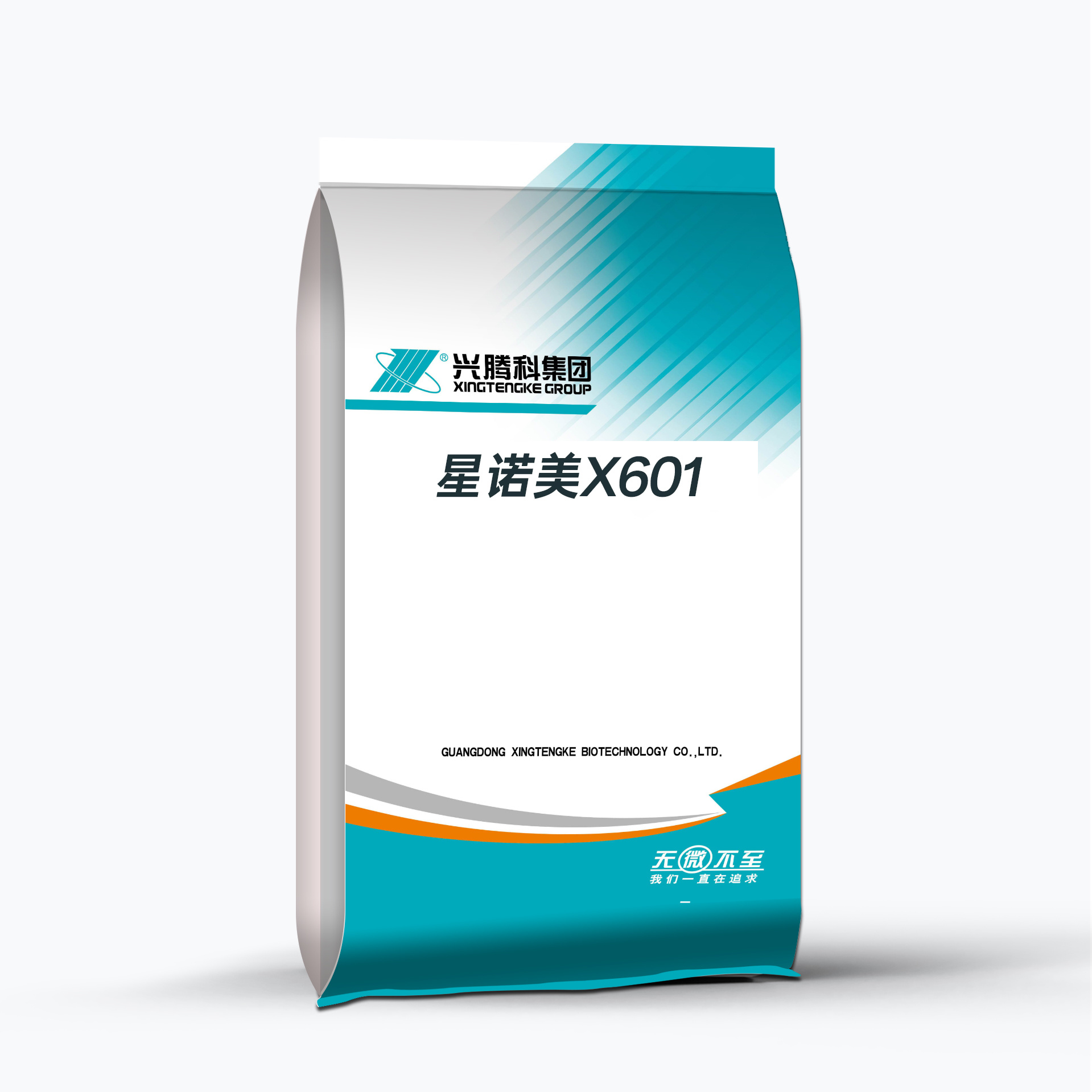
trace mineral premix for poultry farming


Suntaq International Limited





Contact Information
Add: No.5, Circuit Road, Zhaoqing High-tech Zone, Guangdong Province
Email: cson54@xingtengke.com
WhatsApp: +86-13602982201