

The Essential Role of Livestock Trace Mineral Mix in Animal Health
Release time:
2026-08-20 09:20
Source:
Livestock trace mineral mix is an essential dietary supplement designed to provide farm animals with the necessary trace minerals they may lack in their regular diet. These trace minerals, including zinc, copper, manganese, selenium, and iodine, play critical roles in various physiological processes, from immune function to reproductive health. Ensuring the proper intake of these minerals can significantly enhance the overall health and productivity of livestock.
Trace minerals are vital for the growth and development of animals. For instance, zinc is crucial for the proper functioning of the immune system, helping animals resist infections and recover from illnesses. Copper, on the other hand, is essential for iron metabolism and plays a role in the formation of hemoglobin, thereby preventing anemia in livestock. Manganese aids in bone formation and affects reproductive health, making it particularly important for breeding animals.
Selenium is another important trace mineral in livestock nutrition. It acts as an antioxidant and is necessary for the functioning of various enzymes that protect cells from oxidative damage. A deficiency in selenium can lead to white muscle disease, a serious condition that affects the heart and skeletal muscles of animals. Iodine is essential for the production of thyroid hormones, which regulate metabolic processes and energy levels in animals.
Incorporating a well-balanced livestock trace mineral mix into animal diets can help address these deficiencies, ultimately leading to improved health outcomes. Farmers and livestock producers can monitor the mineral content of their animal feed through regular testing, ensuring that their animals receive the necessary nutrients for optimal growth and performance.
Additionally, it's important to consider the specific needs of different livestock species. For example, cattle may require different levels of trace minerals compared to poultry or swine. Factors such as age, weight, and production stage (e.g., lactating, gestating) also influence the mineral requirements of farm animals. Therefore, customizing livestock trace mineral mixes to meet these diverse needs can further enhance animal health and productivity.
In conclusion, livestock trace mineral mixes are a vital component of modern animal husbandry. By ensuring that animals receive adequate levels of essential trace minerals, farmers can promote better health, enhance growth rates, and improve overall productivity. Through proper nutritional management and understanding the role of trace minerals, livestock producers can contribute to the sustainability and efficiency of their farming operations.
Trace minerals are vital for the growth and development of animals. For instance, zinc is crucial for the proper functioning of the immune system, helping animals resist infections and recover from illnesses. Copper, on the other hand, is essential for iron metabolism and plays a role in the formation of hemoglobin, thereby preventing anemia in livestock. Manganese aids in bone formation and affects reproductive health, making it particularly important for breeding animals.
Selenium is another important trace mineral in livestock nutrition. It acts as an antioxidant and is necessary for the functioning of various enzymes that protect cells from oxidative damage. A deficiency in selenium can lead to white muscle disease, a serious condition that affects the heart and skeletal muscles of animals. Iodine is essential for the production of thyroid hormones, which regulate metabolic processes and energy levels in animals.
Incorporating a well-balanced livestock trace mineral mix into animal diets can help address these deficiencies, ultimately leading to improved health outcomes. Farmers and livestock producers can monitor the mineral content of their animal feed through regular testing, ensuring that their animals receive the necessary nutrients for optimal growth and performance.
Additionally, it's important to consider the specific needs of different livestock species. For example, cattle may require different levels of trace minerals compared to poultry or swine. Factors such as age, weight, and production stage (e.g., lactating, gestating) also influence the mineral requirements of farm animals. Therefore, customizing livestock trace mineral mixes to meet these diverse needs can further enhance animal health and productivity.
In conclusion, livestock trace mineral mixes are a vital component of modern animal husbandry. By ensuring that animals receive adequate levels of essential trace minerals, farmers can promote better health, enhance growth rates, and improve overall productivity. Through proper nutritional management and understanding the role of trace minerals, livestock producers can contribute to the sustainability and efficiency of their farming operations.
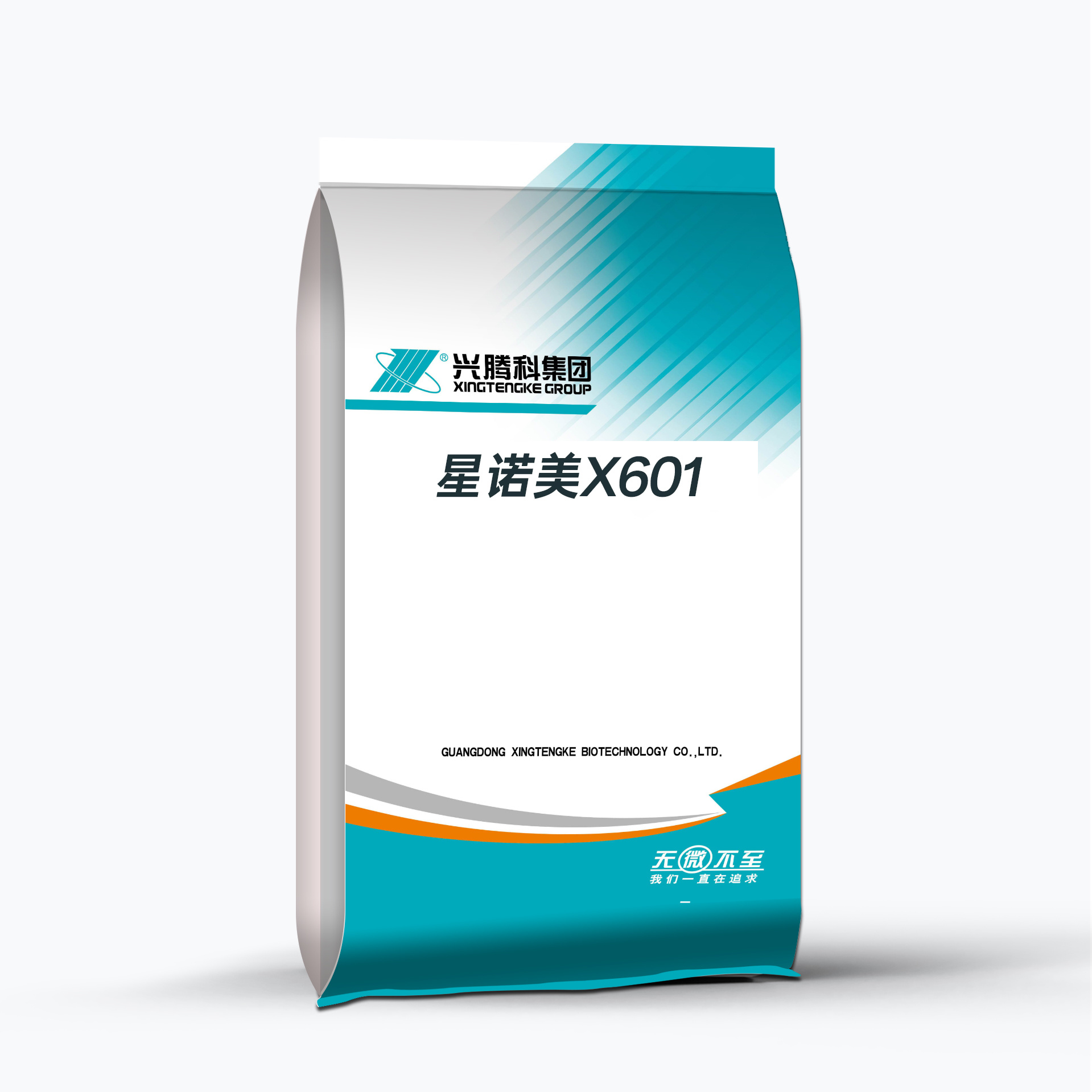
livestock trace mineral mix


Suntaq International Limited





Contact Information
Add: No.5, Circuit Road, Zhaoqing High-tech Zone, Guangdong Province
Email: cson54@xingtengke.com
WhatsApp: +86-13602982201