

Unlocking the Benefits of Organic Trace Minerals for Enhanced Livestock Nutrition
Release time:
2026-08-08 09:30
Source:
Organic trace minerals play a crucial role in the nutrition of livestock, significantly impacting their overall health and productivity. These essential micronutrients, which include minerals such as zinc, copper, manganese, and selenium, are necessary for a variety of biological functions within the animal's body. Unlike inorganic trace minerals, organic trace minerals are chelated, meaning they are bound to organic molecules. This chelation improves their bioavailability, leading to enhanced absorption and utilization by the animal.
One of the primary benefits of incorporating organic trace minerals into livestock diets is their ability to support immune function. Livestock, particularly those in intensive production systems, are prone to stress and disease, which can adversely affect their growth and productivity. Organic trace minerals, through their role in enzyme activation and antioxidant defense, bolster the immune response, thereby reducing the incidence of disease and improving overall herd health.
Moreover, organic trace minerals are known to enhance reproductive performance in livestock. Adequate levels of these micronutrients help in the development of healthy gametes and ensure successful pregnancy outcomes. Research has shown that livestock receiving organic trace minerals exhibit improved fertility rates and healthier offspring, which is vital for maintaining a productive herd.
In addition to enhancing health and reproductive efficiency, organic trace minerals contribute to better growth rates and feed efficiency. Animals that are adequately supplemented with these trace minerals often demonstrate improved weight gain and conversion rates. This not only benefits the producers by optimizing feed costs but also impacts the sustainability of livestock production systems by reducing the environmental footprint associated with feed utilization.
The incorporation of organic trace minerals into feed formulations can also minimize the risk of mineral antagonism, a common issue when using inorganic forms. Inorganic minerals can compete with one another for absorption, leading to potential deficiencies. By using organic trace minerals, these interactions are reduced, resulting in a more balanced mineral profile that supports optimal health and performance.
In conclusion, the use of organic trace minerals in livestock nutrition is a highly effective strategy for enhancing animal health, boosting reproductive outcomes, and improving growth performance. Their superior bioavailability and multifunctional roles make them indispensable in modern livestock management practices. As the demand for sustainable and efficient livestock production continues to rise, the adoption of organic trace minerals will play a pivotal role in shaping the future of animal agriculture.
One of the primary benefits of incorporating organic trace minerals into livestock diets is their ability to support immune function. Livestock, particularly those in intensive production systems, are prone to stress and disease, which can adversely affect their growth and productivity. Organic trace minerals, through their role in enzyme activation and antioxidant defense, bolster the immune response, thereby reducing the incidence of disease and improving overall herd health.
Moreover, organic trace minerals are known to enhance reproductive performance in livestock. Adequate levels of these micronutrients help in the development of healthy gametes and ensure successful pregnancy outcomes. Research has shown that livestock receiving organic trace minerals exhibit improved fertility rates and healthier offspring, which is vital for maintaining a productive herd.
In addition to enhancing health and reproductive efficiency, organic trace minerals contribute to better growth rates and feed efficiency. Animals that are adequately supplemented with these trace minerals often demonstrate improved weight gain and conversion rates. This not only benefits the producers by optimizing feed costs but also impacts the sustainability of livestock production systems by reducing the environmental footprint associated with feed utilization.
The incorporation of organic trace minerals into feed formulations can also minimize the risk of mineral antagonism, a common issue when using inorganic forms. Inorganic minerals can compete with one another for absorption, leading to potential deficiencies. By using organic trace minerals, these interactions are reduced, resulting in a more balanced mineral profile that supports optimal health and performance.
In conclusion, the use of organic trace minerals in livestock nutrition is a highly effective strategy for enhancing animal health, boosting reproductive outcomes, and improving growth performance. Their superior bioavailability and multifunctional roles make them indispensable in modern livestock management practices. As the demand for sustainable and efficient livestock production continues to rise, the adoption of organic trace minerals will play a pivotal role in shaping the future of animal agriculture.
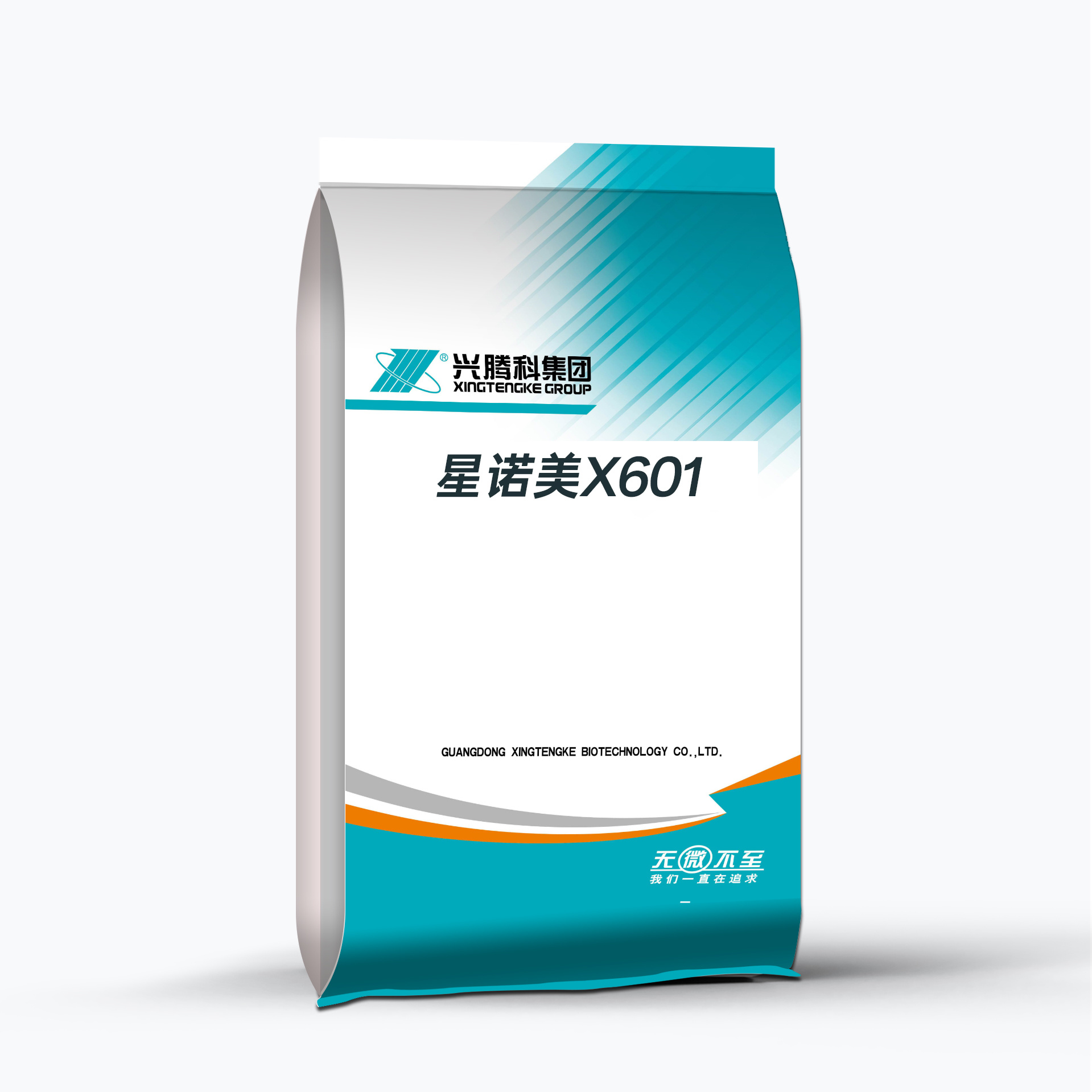
organic trace minerals for livestock nutrition


Suntaq International Limited





Contact Information
Add: No.5, Circuit Road, Zhaoqing High-tech Zone, Guangdong Province
Email: cson54@xingtengke.com
WhatsApp: +86-13602982201