

Unlocking the Benefits of Small Peptide Mineral Chelates in Animal Feed
Release time:
2026-04-22 10:40
Source:
Small peptide mineral chelates are a significant advancement in animal nutrition, particularly in the formulation of animal feed. By binding essential minerals to small peptides, these chelates enhance the bioavailability of minerals, enabling animals to absorb nutrients more efficiently. This is particularly crucial in the context of modern animal husbandry, where maximizing nutrient uptake directly correlates with improved growth rates, better feed conversion ratios, and overall animal health.
One of the primary benefits of small peptide mineral chelates is their ability to bypass the competition with other dietary components in the digestive tract. Traditional mineral sources often face challenges in absorption due to the presence of phytates or other anti-nutritional factors in feed ingredients. However, when minerals are chelated with small peptides, they become more stable and soluble, allowing for easier uptake in the intestines. This characteristic is particularly valuable in formulations aimed at young or stressed animals that may have compromised digestive systems.
Moreover, the inclusion of small peptide mineral chelates in animal feed can lead to improved immune function. These chelates not only serve as a more efficient source of essential minerals such as zinc, copper, and manganese but also contribute to the overall health of the animals. Enhanced mineral status can lead to better growth performance, reproductive efficiency, and disease resistance. This is increasingly important in the face of rising concerns about animal welfare and the need for sustainable farming practices.
Additionally, small peptide mineral chelates can contribute to the quality of animal-derived products. For instance, improved mineral absorption can result in better meat quality, enhanced milk production, and healthier eggs. This is of particular interest to producers aiming for high-quality outputs in response to consumer demand for healthier animal products.
In terms of formulation, integrating small peptide mineral chelates into animal feed can also allow for more precise nutrient management. Nutritionists can tailor diets to meet specific needs without exceeding mineral limits, thus avoiding potential toxicity issues associated with over-supplementation of conventional mineral sources.
In summary, small peptide mineral chelates present a forward-thinking approach in animal nutrition, with the potential to significantly impact both animal health and agricultural productivity. As the industry continues to evolve, understanding and utilizing these innovative compounds will be essential for those dedicated to improving animal feed formulations and enhancing the overall well-being of livestock.
One of the primary benefits of small peptide mineral chelates is their ability to bypass the competition with other dietary components in the digestive tract. Traditional mineral sources often face challenges in absorption due to the presence of phytates or other anti-nutritional factors in feed ingredients. However, when minerals are chelated with small peptides, they become more stable and soluble, allowing for easier uptake in the intestines. This characteristic is particularly valuable in formulations aimed at young or stressed animals that may have compromised digestive systems.
Moreover, the inclusion of small peptide mineral chelates in animal feed can lead to improved immune function. These chelates not only serve as a more efficient source of essential minerals such as zinc, copper, and manganese but also contribute to the overall health of the animals. Enhanced mineral status can lead to better growth performance, reproductive efficiency, and disease resistance. This is increasingly important in the face of rising concerns about animal welfare and the need for sustainable farming practices.
Additionally, small peptide mineral chelates can contribute to the quality of animal-derived products. For instance, improved mineral absorption can result in better meat quality, enhanced milk production, and healthier eggs. This is of particular interest to producers aiming for high-quality outputs in response to consumer demand for healthier animal products.
In terms of formulation, integrating small peptide mineral chelates into animal feed can also allow for more precise nutrient management. Nutritionists can tailor diets to meet specific needs without exceeding mineral limits, thus avoiding potential toxicity issues associated with over-supplementation of conventional mineral sources.
In summary, small peptide mineral chelates present a forward-thinking approach in animal nutrition, with the potential to significantly impact both animal health and agricultural productivity. As the industry continues to evolve, understanding and utilizing these innovative compounds will be essential for those dedicated to improving animal feed formulations and enhancing the overall well-being of livestock.
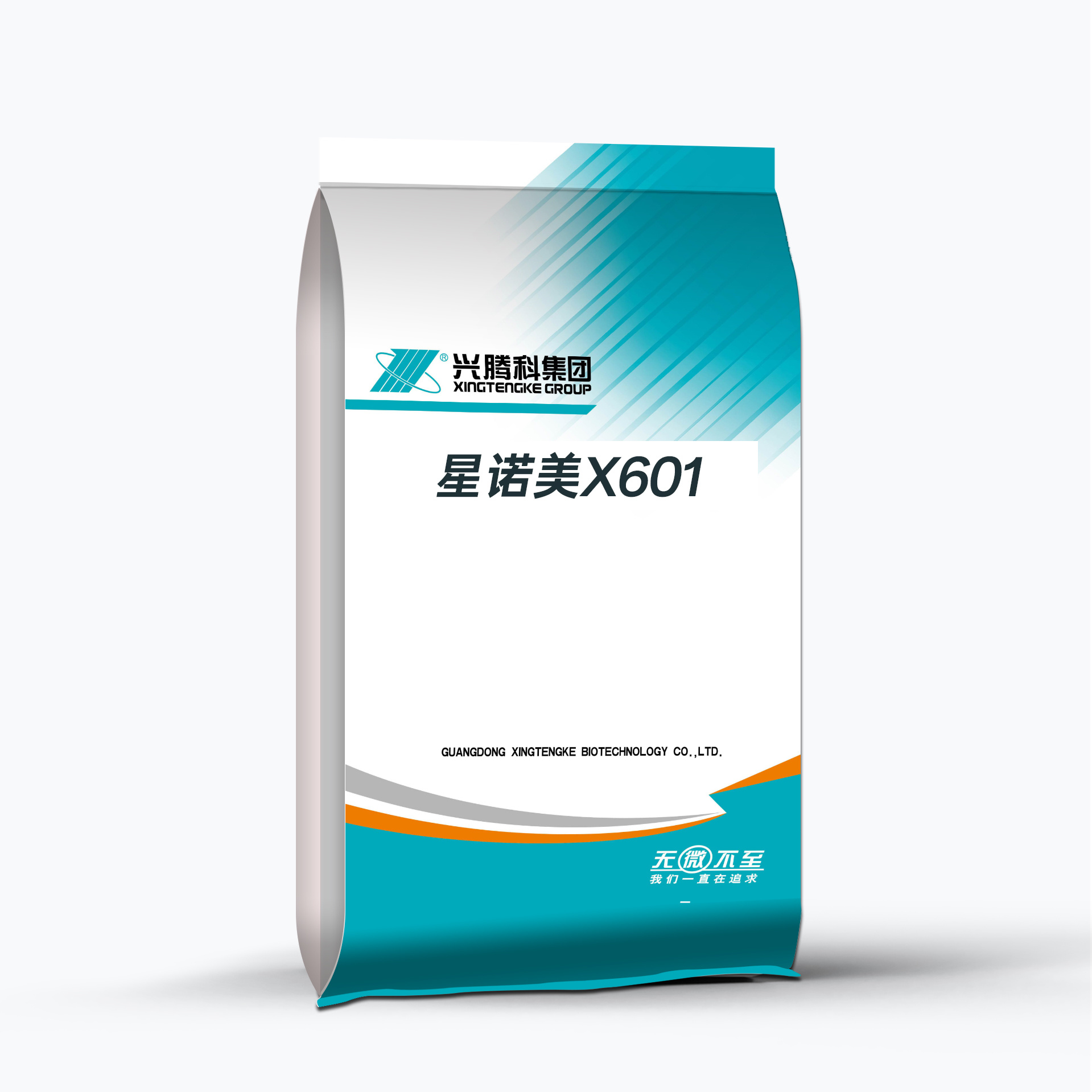
small peptide mineral chelates for animal feed


Suntaq International Limited





Contact Information
Add: No.5, Circuit Road, Zhaoqing High-tech Zone, Guangdong Province
Email: cson54@xingtengke.com
WhatsApp: +86-13602982201