

Discover the Impact of Trace Minerals on Swine Performance: Enhancing Health and Productivity
Release time:
2026-06-03 09:10
Source:
Discover the Impact of Trace Minerals on Swine Performance
In the competitive world of swine production, every detail matters. Among these details, trace minerals play a significant role in enhancing swine performance. Understanding how these micronutrients affect growth, reproduction, and overall health can lead to more efficient farming practices and improved productivity. This article will explore the impact of trace minerals on swine performance, providing valuable insights for producers looking to optimize their operations.
Table of Contents
- 1. Introduction to Trace Minerals in Swine Nutrition
- 2. Importance of Trace Minerals for Swine Health
- 2.1 Role of Zinc in Swine Performance
- 2.2 The Impact of Copper on Growth Rates
- 2.3 Manganese and Reproductive Success
- 3. Identifying Trace Mineral Deficiencies in Swine
- 3.1 Symptoms of Deficiency
- 3.2 Diagnosing Mineral Deficiencies
- 4. Sources of Trace Minerals for Swine
- 4.1 Natural Sources of Trace Minerals
- 4.2 Supplementation Strategies
- 5. Best Practices for Incorporating Trace Minerals
- 5.1 Formulating Diets for Optimal Performance
- 5.2 Monitoring Mineral Levels
- 6. Case Studies: Trace Minerals in Action
- 7. FAQs About Trace Minerals and Swine Performance
- 8. Conclusion
1. Introduction to Trace Minerals in Swine Nutrition
Trace minerals, though required in small amounts, are vital for swine nutrition. These micronutrients include zinc, copper, manganese, selenium, and iodine, among others. Each plays a unique role in various physiological processes that contribute to swine health and productivity. By understanding the importance of trace minerals, producers can make informed decisions that enhance the overall performance of their swine herds.
2. Importance of Trace Minerals for Swine Health
Trace minerals contribute to several critical functions in swine, including enzyme activation, immune response, and reproduction. Ensuring that pigs receive adequate levels of these minerals is essential for optimal growth and health.
2.1 Role of Zinc in Swine Performance
Zinc is one of the most important trace minerals in swine nutrition. It plays a crucial role in skin health, immune function, and growth. Zinc deficiency can lead to a host of problems, including poor appetite, stunted growth, and increased susceptibility to infections. Supplementing diets with zinc can significantly improve feed efficiency and overall performance.
2.2 The Impact of Copper on Growth Rates
Copper is another essential trace mineral that contributes to iron metabolism and promotes growth rates. It is involved in the formation of hemoglobin and helps in the development of connective tissue. Research has shown that copper supplementation can enhance average daily gain (ADG) and feed conversion ratio (FCR), making it a valuable addition to swine diets.
2.3 Manganese and Reproductive Success
Manganese is crucial for reproductive health in swine. It contributes to bone development and is involved in the synthesis of reproductive hormones. Insufficient manganese levels can lead to reproductive failure, including irregular estrous cycles and reduced litter sizes. Ensuring adequate manganese intake is essential for maximizing reproductive performance.
3. Identifying Trace Mineral Deficiencies in Swine
Recognizing trace mineral deficiencies is vital for swine producers. Deficiencies can lead to various health issues and negatively impact performance.
3.1 Symptoms of Deficiency
Symptoms of trace mineral deficiencies can vary depending on the mineral in question. Common signs include poor growth rates, changes in coat condition, reproductive issues, and increased disease susceptibility. Producers should be vigilant in monitoring their pigs for these symptoms to address deficiencies promptly.
3.2 Diagnosing Mineral Deficiencies
Diagnosing mineral deficiencies typically involves a combination of visual assessments and laboratory testing. Blood tests can provide insights into mineral levels, while observing clinical signs can help pinpoint specific deficiencies. Working with a veterinarian or animal nutritionist can aid in the accurate diagnosis and subsequent treatment.
4. Sources of Trace Minerals for Swine
There are various sources available for trace minerals, each with its advantages and disadvantages. Understanding these sources can help producers choose the most effective supplementation strategy.
4.1 Natural Sources of Trace Minerals
Natural sources of trace minerals include feed ingredients such as grains, seeds, and forages. However, the mineral content in these ingredients can vary widely based on soil quality and feed processing. Therefore, relying solely on natural sources may not always meet the nutritional needs of swine.
4.2 Supplementation Strategies
To ensure adequate intake of trace minerals, producers often turn to supplementation. Mineral premixes can be added to swine diets to provide the necessary concentrations of micronutrients. It is essential to select high-quality supplements and adhere to recommended dosages to avoid toxicity and ensure efficacy.
5. Best Practices for Incorporating Trace Minerals
Incorporating trace minerals into swine diets requires careful planning and monitoring. Implementing best practices can help optimize performance and health outcomes.
5.1 Formulating Diets for Optimal Performance
Diet formulation is a critical aspect of swine management. Nutritionists should consider the specific needs of the herd, including age, growth stage, and production goals, when formulating diets. Incorporating adequate levels of trace minerals is essential for achieving optimal performance.
5.2 Monitoring Mineral Levels
Regular monitoring of mineral levels in feed and animal tissues can help ensure that swine receive the right amounts of trace minerals. Implementing a routine testing program can identify deficiencies before they become problematic, allowing for timely interventions.
6. Case Studies: Trace Minerals in Action
Several case studies highlight the positive impact of trace minerals on swine performance. For instance, a study conducted on a commercial pig farm demonstrated that adding zinc and copper to the diet resulted in a significant increase in average daily gain and improved feed conversion ratios. Such results underscore the value of trace mineral supplementation in enhancing swine production.
7. FAQs About Trace Minerals and Swine Performance
7.1 What are trace minerals, and why are they important for swine?
Trace minerals are essential micronutrients required in small amounts for various physiological functions, including growth, reproduction, and immune response in swine.
7.2 How can I identify if my pigs have a trace mineral deficiency?
Common signs of deficiency include poor growth rates, reproductive issues, skin problems, and increased susceptibility to diseases. Laboratory tests can help confirm deficiencies.
7.3 What are the best sources of trace minerals for swine?
Natural sources include grains and forages, but supplementation with mineral premixes is often necessary to meet swine nutritional needs.
7.4 How can I formulate diets to ensure optimal trace mineral intake?
Work with a nutritionist to formulate diets tailored to your herd's specific needs, ensuring that adequate levels of trace minerals are included.
7.5 What are the risks of over-supplementing trace minerals?
Over-supplementation can lead to toxicity, resulting in health issues such as organ damage and impaired growth. It's crucial to follow recommended dosages.
8. Conclusion
In conclusion, trace minerals play an indispensable role in enhancing swine performance. By understanding their impact on growth, reproduction, and overall health, producers can implement effective supplementation strategies that lead to improved productivity and profitability. Regular monitoring and careful diet formulation are essential to ensure that swine receive adequate levels of these vital micronutrients. As the swine industry continues to evolve, prioritizing trace mineral nutrition will remain a key component in achieving sustainable swine production.
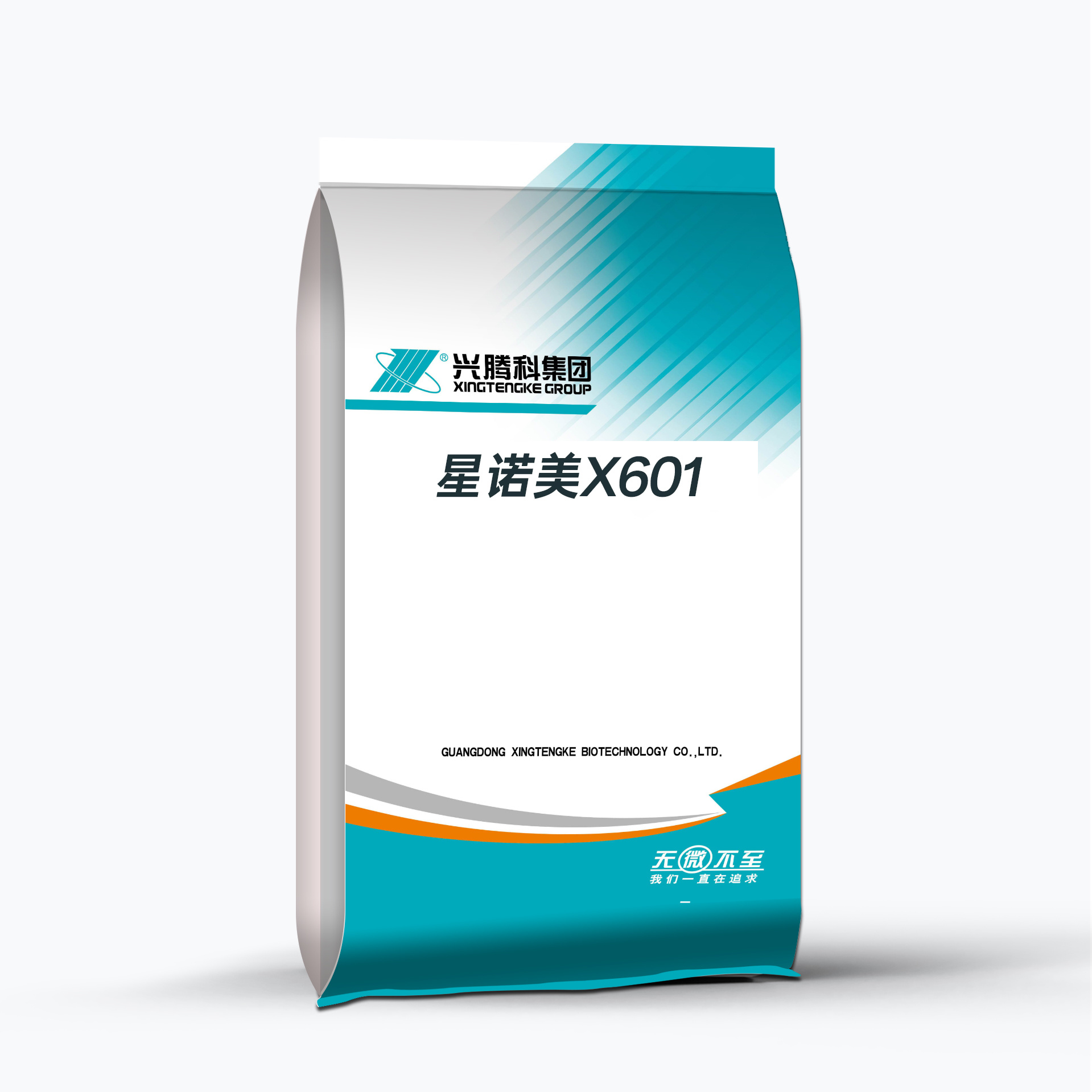
compound trace minerals for swine nutrition


Suntaq International Limited





Contact Information
Add: No.5, Circuit Road, Zhaoqing High-tech Zone, Guangdong Province
Email: cson54@xingtengke.com
WhatsApp: +86-13602982201