

The Essential Role of Trace Mineral Premixes in Poultry Farming
Release time:
2026-07-15 09:10
Source:
In poultry farming, maintaining the health and productivity of birds is paramount. One key component that often goes unnoticed is the importance of trace mineral premixes. These specialized formulations are designed to provide essential trace minerals that are crucial for the optimal growth and development of poultry.
Trace minerals, though required in minute quantities, play significant roles in various physiological functions. Common trace minerals included in these premixes are zinc, copper, manganese, selenium, and iron. Each of these minerals contributes uniquely to the health of poultry. For instance, zinc is vital for the development of feathers, skin health, and reproductive functions, while selenium acts as an antioxidant, protecting cells from damage and boosting the immune response.
Incorporating a well-balanced trace mineral premix into the poultry diet can lead to improved growth rates, feed efficiency, and overall health. Birds that receive adequate trace minerals are less susceptible to diseases and stress, which can significantly affect productivity levels. Moreover, trace minerals are involved in enzyme activity and hormone production, both of which are essential for maintaining metabolic functions and ensuring that poultry reach their production potential.
Understanding the specific needs of different poultry species, such as broilers, layers, and breeders, is essential in formulating an effective trace mineral premix. Each category of poultry may require different levels of specific minerals, highlighting the importance of customized nutrition plans. Additionally, environmental factors, such as stressors from housing conditions or dietary changes, can also affect mineral absorption and utilization.
Farmers should consider the quality of their trace mineral premixes. High-quality formulations ensure the bioavailability of minerals, meaning that the birds can absorb and utilize them effectively. This absorption is key to translating dietary intake into tangible health benefits and productivity gains. Furthermore, the use of chelated minerals in premixes can enhance absorption rates, making them a preferred choice for many poultry producers.
In conclusion, trace mineral premixes play an indispensable role in poultry farming. They support vital physiological processes that contribute to the overall health and productivity of birds. By investing in quality trace mineral premixes tailored to the specific needs of their poultry, farmers can enhance the resilience and performance of their flocks, ultimately leading to a more successful farming operation.
Trace minerals, though required in minute quantities, play significant roles in various physiological functions. Common trace minerals included in these premixes are zinc, copper, manganese, selenium, and iron. Each of these minerals contributes uniquely to the health of poultry. For instance, zinc is vital for the development of feathers, skin health, and reproductive functions, while selenium acts as an antioxidant, protecting cells from damage and boosting the immune response.
Incorporating a well-balanced trace mineral premix into the poultry diet can lead to improved growth rates, feed efficiency, and overall health. Birds that receive adequate trace minerals are less susceptible to diseases and stress, which can significantly affect productivity levels. Moreover, trace minerals are involved in enzyme activity and hormone production, both of which are essential for maintaining metabolic functions and ensuring that poultry reach their production potential.
Understanding the specific needs of different poultry species, such as broilers, layers, and breeders, is essential in formulating an effective trace mineral premix. Each category of poultry may require different levels of specific minerals, highlighting the importance of customized nutrition plans. Additionally, environmental factors, such as stressors from housing conditions or dietary changes, can also affect mineral absorption and utilization.
Farmers should consider the quality of their trace mineral premixes. High-quality formulations ensure the bioavailability of minerals, meaning that the birds can absorb and utilize them effectively. This absorption is key to translating dietary intake into tangible health benefits and productivity gains. Furthermore, the use of chelated minerals in premixes can enhance absorption rates, making them a preferred choice for many poultry producers.
In conclusion, trace mineral premixes play an indispensable role in poultry farming. They support vital physiological processes that contribute to the overall health and productivity of birds. By investing in quality trace mineral premixes tailored to the specific needs of their poultry, farmers can enhance the resilience and performance of their flocks, ultimately leading to a more successful farming operation.
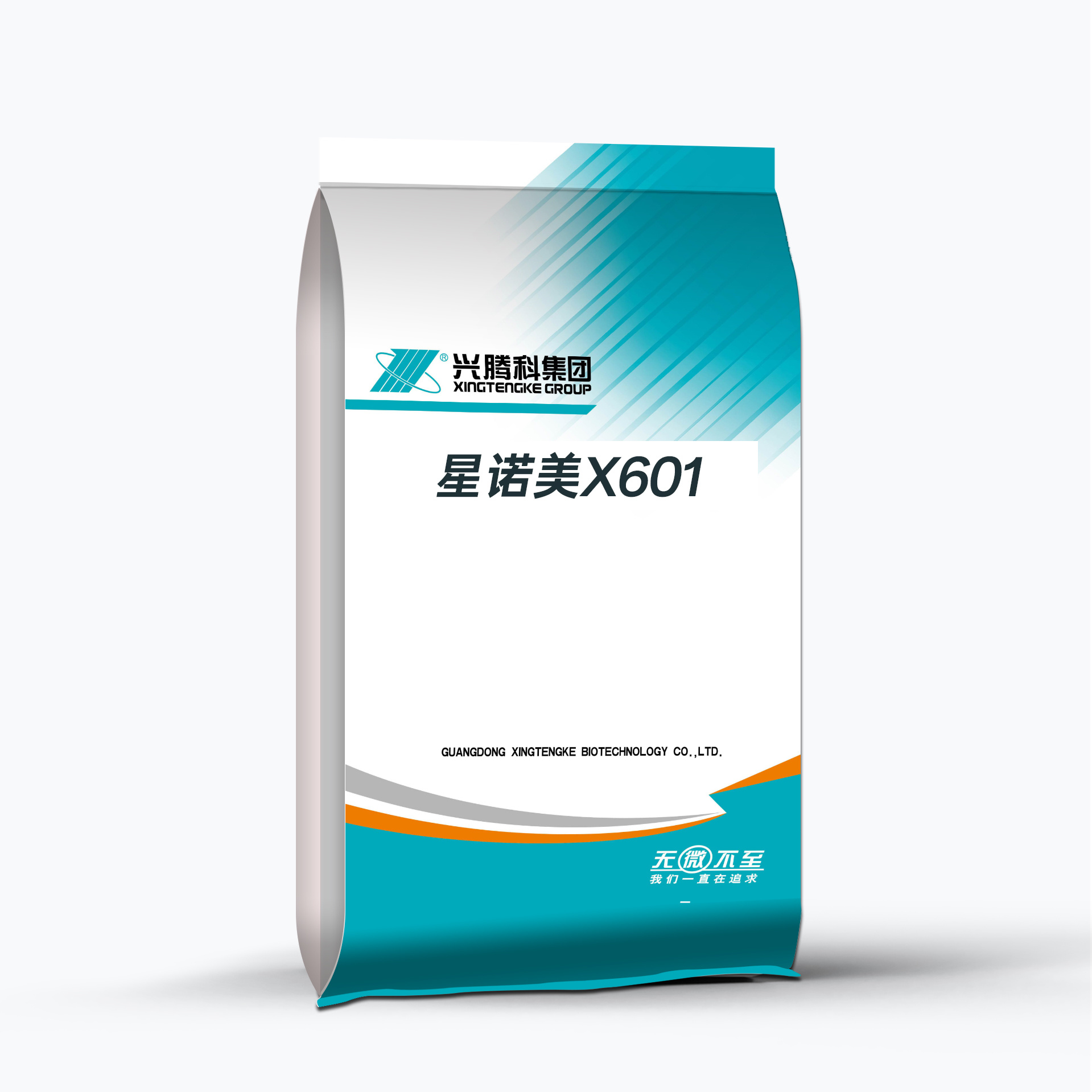
trace mineral premix for poultry farming


Suntaq International Limited





Contact Information
Add: No.5, Circuit Road, Zhaoqing High-tech Zone, Guangdong Province
Email: cson54@xingtengke.com
WhatsApp: +86-13602982201