

The Essential Role of Trace Mineral Premix in Poultry Farming
Release time:
2026-05-28 09:10
Source:
Trace minerals play a crucial role in the overall health and productivity of poultry. A trace mineral premix for poultry farming contains essential minerals that are required in small amounts but are vital for various physiological functions. These minerals include zinc, copper, manganese, selenium, and iodine, among others. Each of these trace elements contributes significantly to poultry health, growth, and egg production.
One of the primary functions of trace minerals is their involvement in enzyme activation, which is essential for metabolic processes. Zinc, for instance, plays a pivotal role in the synthesis of proteins and nucleic acids, supporting tissue growth and repair. Similarly, manganese is crucial for bone development and is involved in the metabolism of carbohydrates and lipids. This means that using a well-formulated trace mineral premix can lead to improved feed efficiency and better weight gain in poultry.
Moreover, trace minerals are essential for maintaining the immune system of poultry. Selenium, for example, is known for its antioxidant properties, helping to protect cells from damage caused by free radicals. A robust immune system is vital in preventing diseases, which can lead to significant economic losses in poultry farming. By incorporating a trace mineral premix into the feed, farmers can enhance the resilience of their flocks against various pathogens.
The availability of trace minerals in the correct forms and ratios is equally important. Organic forms of trace minerals are often more bioavailable than inorganic forms, providing better absorption and utilization by the birds. This is an essential consideration for poultry farmers who aim for optimal growth rates and overall flock health.
In addition to health benefits, trace mineral premixes can influence the quality of poultry products. For example, hens that receive adequate amounts of trace minerals tend to produce eggs with better shell quality and higher nutritional value. Consumers are increasingly focused on the quality of the food they consume, so improving product quality can also enhance marketability.
In summary, a trace mineral premix for poultry farming is an indispensable component of poultry nutrition. By ensuring that birds receive the necessary trace minerals, farmers can improve health, enhance growth performance, and ensure the quality of poultry products. Adopting the right premix tailored to the specific needs of the flock can make a significant difference in the productivity and profitability of poultry operations. Understanding the importance of these nutrients is essential for anyone involved in poultry farming, as it lays the foundation for successful and sustainable livestock management.
One of the primary functions of trace minerals is their involvement in enzyme activation, which is essential for metabolic processes. Zinc, for instance, plays a pivotal role in the synthesis of proteins and nucleic acids, supporting tissue growth and repair. Similarly, manganese is crucial for bone development and is involved in the metabolism of carbohydrates and lipids. This means that using a well-formulated trace mineral premix can lead to improved feed efficiency and better weight gain in poultry.
Moreover, trace minerals are essential for maintaining the immune system of poultry. Selenium, for example, is known for its antioxidant properties, helping to protect cells from damage caused by free radicals. A robust immune system is vital in preventing diseases, which can lead to significant economic losses in poultry farming. By incorporating a trace mineral premix into the feed, farmers can enhance the resilience of their flocks against various pathogens.
The availability of trace minerals in the correct forms and ratios is equally important. Organic forms of trace minerals are often more bioavailable than inorganic forms, providing better absorption and utilization by the birds. This is an essential consideration for poultry farmers who aim for optimal growth rates and overall flock health.
In addition to health benefits, trace mineral premixes can influence the quality of poultry products. For example, hens that receive adequate amounts of trace minerals tend to produce eggs with better shell quality and higher nutritional value. Consumers are increasingly focused on the quality of the food they consume, so improving product quality can also enhance marketability.
In summary, a trace mineral premix for poultry farming is an indispensable component of poultry nutrition. By ensuring that birds receive the necessary trace minerals, farmers can improve health, enhance growth performance, and ensure the quality of poultry products. Adopting the right premix tailored to the specific needs of the flock can make a significant difference in the productivity and profitability of poultry operations. Understanding the importance of these nutrients is essential for anyone involved in poultry farming, as it lays the foundation for successful and sustainable livestock management.
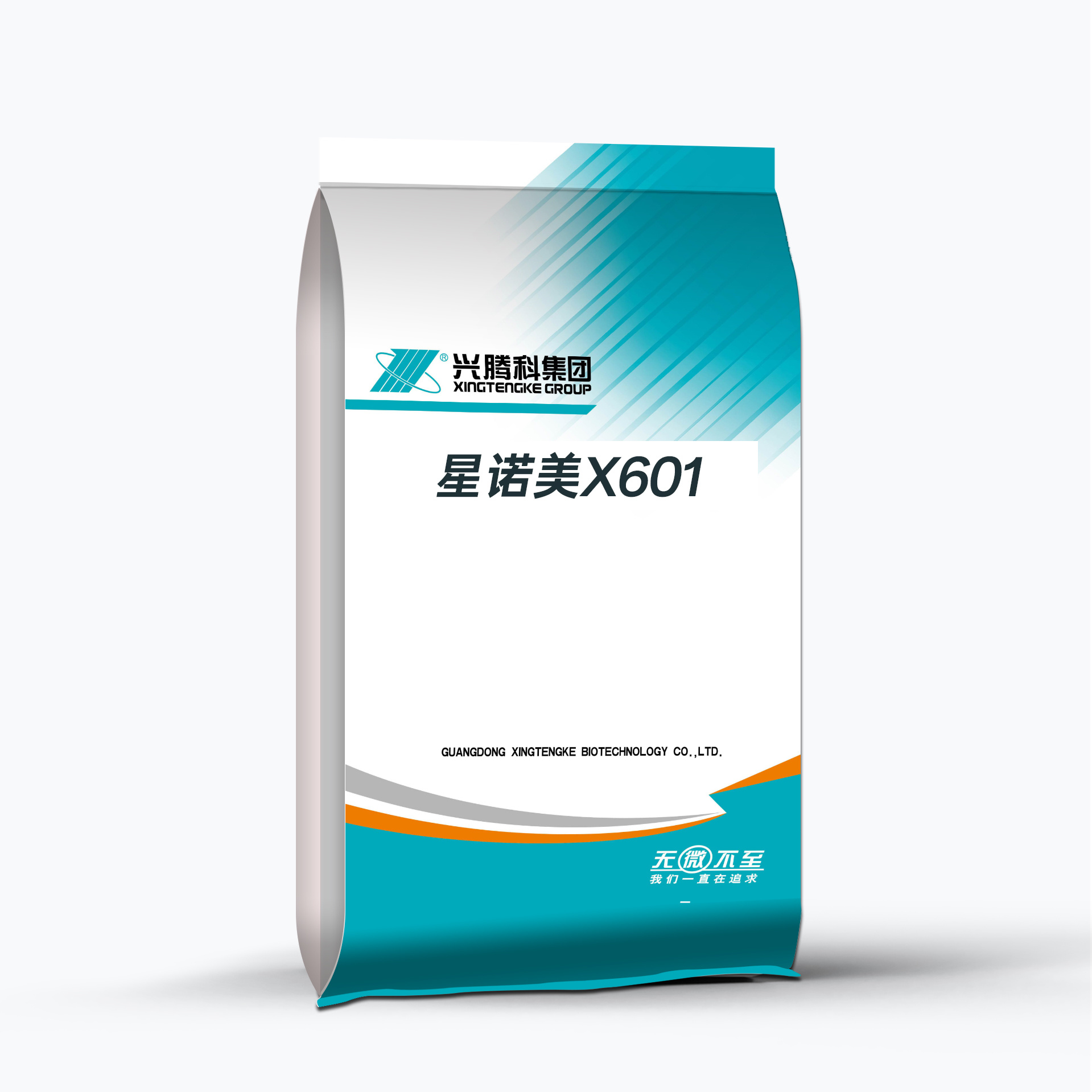
trace mineral premix for poultry farming


Suntaq International Limited





Contact Information
Add: No.5, Circuit Road, Zhaoqing High-tech Zone, Guangdong Province
Email: cson54@xingtengke.com
WhatsApp: +86-13602982201