

Swine Nutrition Simplified: The Importance of Compound Trace Minerals
Release time:
2026-07-21 09:50
Source:
Swine Nutrition Simplified: The Importance of Compound Trace Minerals
Table of Contents
- 1. Introduction to Swine Nutrition
- 2. What Are Compound Trace Minerals?
- 3. The Role of Trace Minerals in Swine Health
- 4. Key Compound Trace Minerals for Swine
- 5. Sources of Compound Trace Minerals
- 6. Balancing Trace Mineral Levels in Diets
- 7. Recent Research and Advancements
- 8. Practical Tips for Swine Producers
- 9. FAQs
- 10. Conclusion
1. Introduction to Swine Nutrition
Swine nutrition is crucial for optimizing the health and productivity of pigs. As the demand for pork continues to rise globally, understanding the intricate components of swine diets becomes increasingly important. Among these components, **compound trace minerals** play a significant role in maintaining overall health, improving growth rates, and enhancing reproductive performance. In this article, we will simplify the concept of swine nutrition, focusing on the indispensable role of these trace minerals.
2. What Are Compound Trace Minerals?
Compound trace minerals refer to mineral elements that are required in small quantities for the proper functioning of biological processes in pigs. These minerals include zinc, copper, manganese, selenium, and iodine, among others. While they are needed in trace amounts, their impact on swine health and productivity is substantial. They are involved in various physiological functions, including enzyme activity, hormone production, and immune response.
2.1 Understanding Trace Mineral Compound Forms
The term "compound" typically refers to the chemical form in which these minerals are delivered. Common forms include organic and inorganic compounds. Organic trace minerals, such as chelated minerals, are bonded to amino acids or peptides, enhancing their absorption and bioavailability. In contrast, inorganic forms are typically less absorbed but can still be effective when balanced correctly in diets.
3. The Role of Trace Minerals in Swine Health
Trace minerals are vital to several physiological functions in swine, influencing everything from growth rates to disease resistance. Their importance can be broken down into several key roles:
3.1 Growth and Development
Trace minerals are essential for normal growth and development in pigs. They contribute to the formation of strong bones, muscles, and tissues. For instance, manganese is crucial for bone development, while zinc is significant for skin health and repair.
3.2 Immune Function
A robust immune system is essential for preventing diseases and ensuring optimal growth. Trace minerals like selenium have antioxidant properties that help protect cells from damage and support the production of immune cells. Adequate selenium levels can reduce the incidence of diseases such as white muscle disease and improve overall herd health.
3.3 Reproductive Performance
The reproductive health of swine is critical for successful breeding and production. Trace minerals play a pivotal role in reproductive hormones' synthesis and function. For example, zinc is vital for sperm production and function in males, while copper is important for ovarian function and embryo development in females.
4. Key Compound Trace Minerals for Swine
While there are many trace minerals, several stand out due to their significant impact on swine health. These include:
4.1 Zinc
Zinc is crucial for skin health, immune function, and reproductive performance. It's been shown to enhance growth rates and feed efficiency, making it a vital component in swine diets.
4.2 Copper
Copper aids in iron absorption, promotes red blood cell formation, and supports various enzymatic reactions. It also plays a role in maintaining healthy connective tissues.
4.3 Manganese
Manganese is essential for bone development, reproduction, and metabolic functions. It activates various enzymes involved in carbohydrate and lipid metabolism.
4.4 Selenium
Selenium is a powerful antioxidant that protects cells from oxidative stress. It's crucial for immune function and plays a role in thyroid hormone metabolism.
4.5 Iodine
Iodine is necessary for thyroid hormone production, which regulates metabolism. Adequate iodine levels are essential for maintaining overall health and growth in swine.
5. Sources of Compound Trace Minerals
To ensure pigs receive adequate amounts of trace minerals, it's essential to understand the available sources. These can be broadly categorized into natural feed ingredients and mineral supplements.
5.1 Natural Feed Ingredients
Some natural feed ingredients are rich in trace minerals. For example, fish meal, liver meal, and certain grains such as oats and barley provide valuable trace minerals. However, relying solely on these ingredients can lead to imbalances, so additional supplementation may be necessary.
5.2 Mineral Supplements
Mineral supplements are often added to swine diets to ensure adequate trace mineral levels. These can come in various forms, including inorganic sources (like zinc oxide) and organic sources (such as chelated minerals). Selecting high-quality supplements tailored to the specific needs of the pigs and their growth stages is crucial.
6. Balancing Trace Mineral Levels in Diets
Creating a balanced diet is essential for optimal swine health. Several factors need to be considered when formulating diets rich in compound trace minerals:
6.1 Age and Growth Stage
Different life stages of pigs require varying amounts of trace minerals. For example, growing pigs might need higher zinc levels for skin health, while breeding sows require more copper and selenium for reproductive health.
6.2 Diet Composition
The overall composition of a pig's diet significantly influences trace mineral availability. A diet high in phytates (found in grains) may inhibit mineral absorption, necessitating higher supplementation levels.
6.3 Bioavailability of Minerals
The form of trace minerals used in supplements affects their bioavailability. Organic trace minerals often have higher absorption rates compared to inorganic forms, making them more effective at lower inclusion rates.
7. Recent Research and Advancements
Ongoing research continues to shed light on the importance of trace minerals in swine nutrition. Recent studies have focused on optimizing mineral sources, understanding bioavailability, and exploring the synergistic effects of multiple minerals.
7.1 Innovations in Mineral Supplementation
Innovations in mineral supplementation, like the development of highly bioavailable chelated minerals, have transformed swine nutrition. These advancements help ensure that pigs receive the necessary nutrients at lower inclusion rates, reducing the risk of mineral imbalances and improving overall health.
7.2 Impact on Animal Welfare
Research increasingly emphasizes the connection between trace mineral supplementation and animal welfare. Ensuring optimal levels of these minerals can lead to healthier pigs, reduced disease incidence, and enhanced overall well-being.
8. Practical Tips for Swine Producers
To effectively utilize compound trace minerals in swine nutrition, producers should consider the following practical tips:
8.1 Conduct Regular Assessments
Regular assessments of pigs' health, growth rates, and feed efficiency can help identify potential deficiencies or imbalances in trace minerals.
8.2 Work with Nutritionists
Collaborating with animal nutritionists can provide valuable insights into formulating diets that meet the specific mineral needs of pigs.
8.3 Monitor and Adjust Diets
Monitoring the composition of diets and making necessary adjustments based on growth stages and health status is essential for maintaining optimal trace mineral levels.
9. FAQs
9.1 What are the signs of trace mineral deficiency in pigs?
Common signs of deficiency can include poor growth rates, reproductive issues, skin lesions, and increased susceptibility to diseases.
9.2 How can I ensure my pigs are getting enough trace minerals?
Regularly assessing their diets, utilizing high-quality mineral supplements, and consulting with a nutritionist can help ensure adequate mineral intake.
9.3 Are organic trace minerals more effective than inorganic ones?
Organic trace minerals often have higher bioavailability, leading to better absorption and effectiveness at lower inclusion rates.
9.4 Can I rely solely on feed ingredients for trace minerals?
While some ingredients contain trace minerals, relying solely on them may lead to imbalances. Supplemental minerals are often necessary.
9.5 How do environmental factors affect trace mineral absorption?
Factors such as soil quality, water supply, and feed composition can significantly influence the availability and absorption of trace minerals in pigs.
10. Conclusion
The importance of compound trace minerals in swine nutrition cannot be overstated. These essential nutrients play a critical role in growth, immune function, and reproductive health, ultimately affecting the overall productivity of swine operations. By understanding the significance of trace minerals, their sources, and how to effectively balance them in diets, swine producers can enhance the health and performance of their herds. Proper management, ongoing research, and collaboration with nutritionists will pave the way for a more prosperous future in swine production.
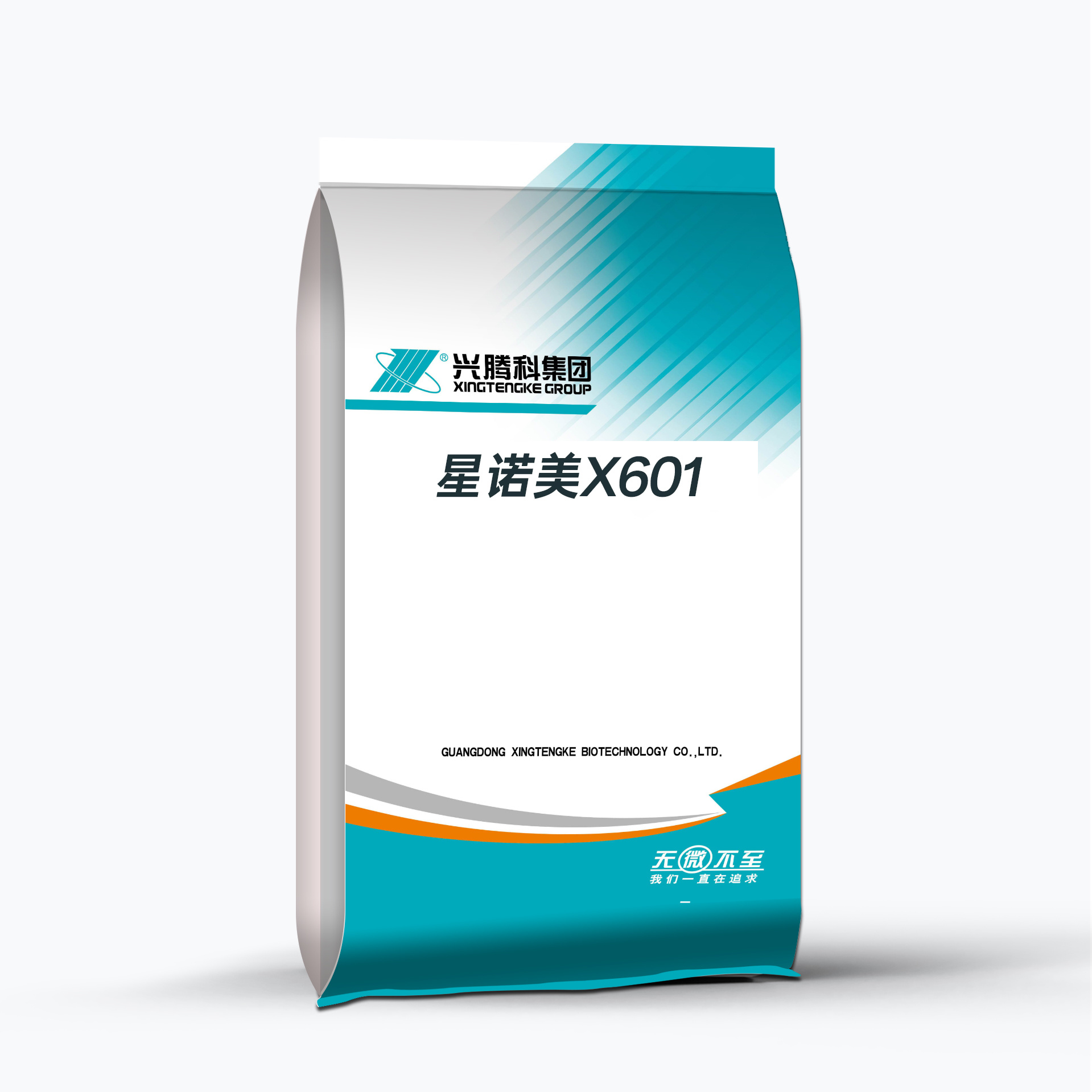
compound trace minerals for swine nutrition


Suntaq International Limited





Contact Information
Add: No.5, Circuit Road, Zhaoqing High-tech Zone, Guangdong Province
Email: cson54@xingtengke.com
WhatsApp: +86-13602982201