

The Role of Chelated Trace Elements in Boosting Animal Immunity: Enhancing Health and Performance
Release time:
2026-02-03 10:00
Source:
The Role of Chelated Trace Elements in Boosting Animal Immunity
As the demand for high-quality animal products continues to rise, understanding the nutritional needs of livestock becomes paramount. One of the key components in enhancing animal health and immunity is the incorporation of **chelated trace elements**. These vital nutrients play an instrumental role in supporting immune function, promoting growth, and improving overall animal performance. In this article, we will explore the significance of chelated trace elements, their biological functions, and their impact on animal immunity.
Table of Contents
- What Are Chelated Trace Elements?
- Importance of Trace Elements in Animal Health
- How Chelation Enhances Bioavailability
- Key Chelated Trace Elements and Their Benefits
- The Relationship Between Immunity and Trace Elements
- The Role of Chelated Trace Elements in Immunity
- Practical Application in Animal Nutrition
- Future Directions in Research
- Conclusion
- FAQs
What Are Chelated Trace Elements?
Chelated trace elements are minerals that have been chemically bonded to organic molecules, enhancing their stability and bioavailability. Unlike inorganic minerals, which can be poorly absorbed in the gastrointestinal tract, chelated trace elements are designed to mimic natural forms of minerals found in living organisms. This chelation process allows for better absorption, reducing the risk of mineral deficiency and toxicity.
Importance of Trace Elements in Animal Health
Trace elements are essential for various physiological functions in animals. They are involved in enzyme activation, hormone production, and cellular metabolism. Key trace elements include zinc, copper, selenium, and manganese, each contributing uniquely to the health and productivity of livestock.
- **Zinc** is critical for immune function, skin health, and reproductive performance.
- **Copper** plays a role in iron metabolism and is important for cardiovascular health.
- **Selenium** acts as an antioxidant and is vital for thyroid function.
- **Manganese** supports bone development and reproductive health.
Without adequate trace elements, animals may experience compromised health, increased susceptibility to diseases, and reduced productivity.
How Chelation Enhances Bioavailability
The process of chelation significantly enhances the bioavailability of trace elements. When trace minerals are chelated, they form stable complexes that are less likely to react with other dietary components, such as phytates or oxalates, which can inhibit mineral absorption. This stability allows for improved uptake in the intestines and leads to higher concentrations of trace elements in the bloodstream.
Additionally, chelated trace elements can protect minerals from environmental factors that might cause degradation, ensuring that animals receive the full nutritional benefits. This is particularly important in challenging environments where nutrient availability may be compromised.
Key Chelated Trace Elements and Their Benefits
Understanding specific chelated trace elements and their advantages can help nutritionists formulate balanced diets for livestock. Below, we explore some key elements:
Zinc Glycinate
Zinc glycinate is a highly bioavailable form of zinc. Studies have shown that it supports the immune system by promoting the function of T-cells, essential for combating infections. Moreover, it aids in skin integrity and wound healing.
Copper Amino Acid Chelates
Copper amino acid chelates enhance copper absorption and utilization. This form is known to improve cardiovascular health and immune response. Deficiency in copper can lead to anemia and reduced growth rates.
Selenium Yeast
Selenium yeast is a natural source of selenium that has been shown to boost antioxidant enzymes in the body. It plays a critical role in reducing oxidative stress and enhances the immune response, especially during stressful events such as transportation or disease outbreaks.
Manganese Proteinate
Manganese proteinate is another chelated form that supports skeletal development and reproductive health. It enhances enzyme activity in the metabolism of carbohydrates and lipids.
The Relationship Between Immunity and Trace Elements
A strong immune system is crucial for the health and productivity of animals. Trace elements are integral to the normal functioning of the immune system. They influence the production and activity of immune cells, including lymphocytes and macrophages. Deficiencies in these trace elements can lead to weakened immune responses, making animals more susceptible to infections.
Research has demonstrated that animals receiving adequate levels of chelated trace elements exhibit improved resistance to pathogens and overall health. This is particularly important in livestock operations where high-density housing and stressors can exacerbate health issues.
The Role of Chelated Trace Elements in Immunity
Chelated trace elements contribute to various aspects of immune function:
Enhancing Antioxidant Capacity
Chelated trace elements, particularly selenium, play a key role in the body's antioxidant defense system. They help neutralize free radicals, protecting cells from oxidative damage that can impair immune function.
Supporting T-Cell Proliferation
Zinc has been shown to enhance T-cell proliferation, crucial for adaptive immunity. Adequate zinc levels ensure that T-cells can respond effectively to pathogens.
Regulating Inflammatory Responses
Copper influences the production of cytokines, signaling molecules that regulate immune responses. Proper levels of copper help modulate inflammation, preventing excessive responses that can lead to tissue damage.
Aiding in Vaccine Efficacy
Studies indicate that adequate levels of trace elements can improve the efficacy of vaccines in livestock. Animals with balanced levels of chelated trace elements typically exhibit stronger and longer-lasting immune responses post-vaccination.
Practical Application in Animal Nutrition
Incorporating chelated trace elements into animal diets requires careful planning and execution. Nutritionists and veterinarians play a vital role in determining the appropriate levels and forms of trace elements to use based on the specific needs of the animal and the production system.
Formulating Balanced Diets
Creating a balanced diet that includes chelated trace elements involves understanding the nutritional requirements of the species and production stage. For instance, growing animals may have different needs than breeding stock.
Monitoring and Adjusting
Regular monitoring of animal health and performance is essential to ensure that trace element supplementation is effective. Adjustments may be necessary based on environmental conditions, changes in feed composition, or observed health issues.
Educating Producers
Educating livestock producers about the benefits of chelated trace elements can lead to better management practices. This includes understanding the signs of deficiency and the importance of routine health checks.
Future Directions in Research
As the field of animal nutrition continues to evolve, research into the role of chelated trace elements is becoming increasingly important. Future studies may focus on:
- The specific mechanisms by which chelated trace elements enhance immune function.
- Long-term impacts of trace element supplementation on animal health and productivity.
- The development of new chelation methods that could improve the bioavailability of other essential nutrients.
Investing in research will pave the way for more effective strategies in animal nutrition and health management, ultimately leading to improved animal welfare and productivity.
Conclusion
The incorporation of chelated trace elements into animal diets is a powerful strategy for enhancing immunity and overall health. These essential nutrients not only improve the bioavailability of trace elements but also play critical roles in various physiological functions. By understanding and implementing the benefits of chelated trace elements, livestock producers can promote better health outcomes, maximize productivity, and ensure the sustainable growth of their operations.
FAQs
1. What are chelated trace elements?
Chelated trace elements are minerals that have been chemically bonded to organic molecules to enhance their absorption and bioavailability in the body.
2. Why are trace elements important for animals?
Trace elements are essential for various physiological functions, including immune response, enzyme activation, and overall health. Deficiencies can lead to health issues and reduced productivity.
3. How does chelation improve absorption of trace elements?
Chelation protects minerals from interacting with other dietary components that inhibit absorption, ensuring they are more readily absorbed by the intestines.
4. Which trace elements are crucial for animal immunity?
Key trace elements for immunity include zinc, copper, selenium, and manganese, each contributing uniquely to the immune system's effectiveness.
5. How can producers incorporate chelated trace elements into diets?
Producers can work with nutritionists to formulate balanced diets that include appropriate levels of chelated trace elements based on the specific needs of their livestock.
By prioritizing the health of livestock through the strategic use of chelated trace elements, producers can foster a healthier, more productive agricultural system.
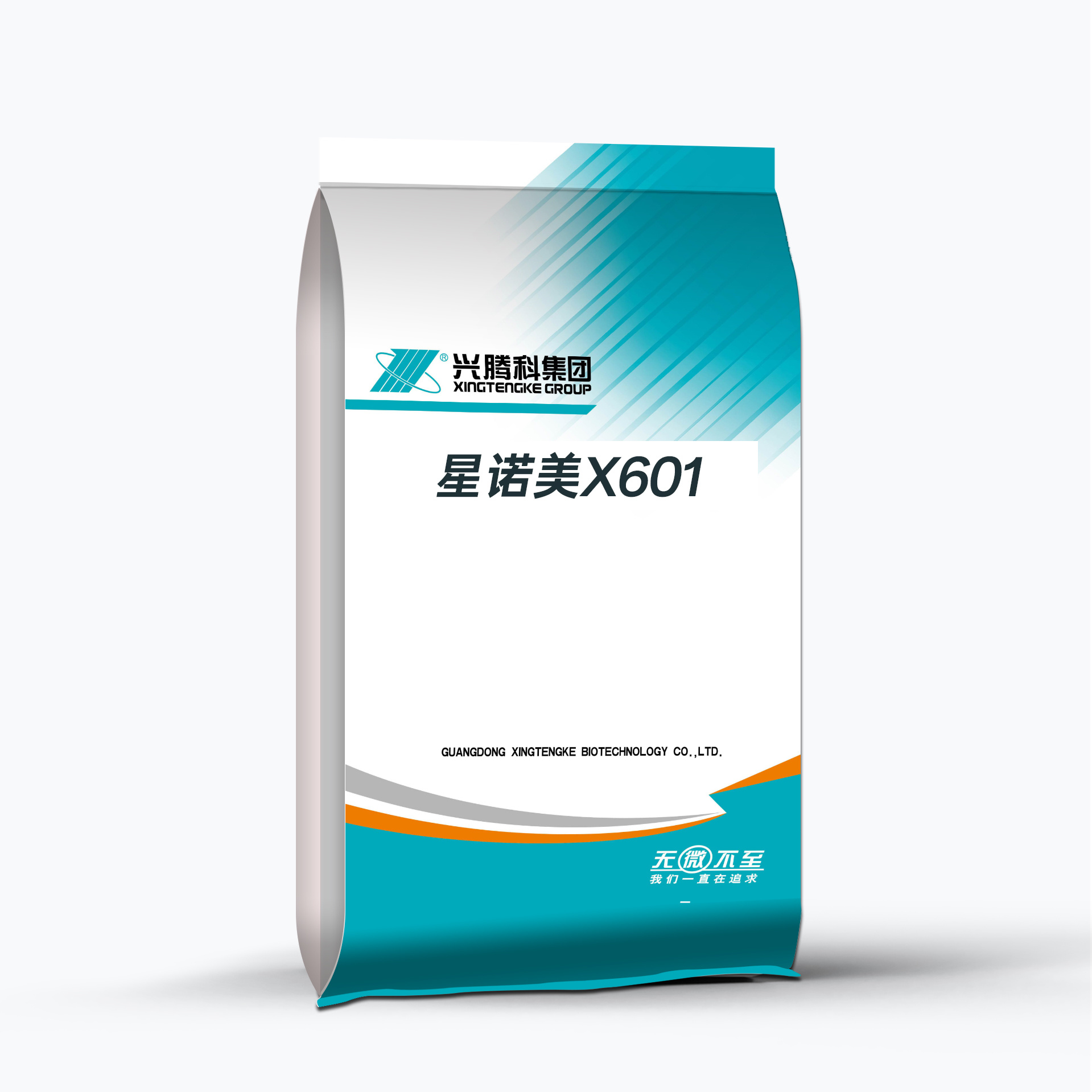
chelated trace elements for feed


Suntaq International Limited





Contact Information
Add: No.5, Circuit Road, Zhaoqing High-tech Zone, Guangdong Province
Email: cson54@xingtengke.com
WhatsApp: +86-13602982201