

The Importance of Organic Trace Minerals in Livestock Nutrition
Release time:
2026-01-28 09:40
Source:
Organic trace minerals play a crucial role in the nutrition of livestock, acting as essential components that support various physiological functions within animals. Unlike their inorganic counterparts, organic trace minerals are bound to organic molecules, which enhances their bioavailability and effectiveness in animal diets. This results in improved absorption and utilization by the animal's system, ensuring optimal health and productivity.
The significance of trace minerals in livestock nutrition cannot be overstated. These minerals, including zinc, copper, manganese, and selenium, are involved in numerous biological processes. They contribute to enzyme function, immune system support, reproductive health, and overall growth. For instance, zinc plays a pivotal role in skin health and immune responses, while selenium is crucial for antioxidant defense and reproductive efficiency.
One of the main advantages of using organic trace minerals is their reduced risk of antagonism compared to inorganic forms. Traditional inorganic trace minerals can sometimes interfere with the absorption of other nutrients, posing a challenge in formulating balanced diets. In contrast, organic minerals are often more stable in the gastrointestinal tract, leading to enhanced absorption and effective utilization. This characteristic is particularly important in livestock operations where dietary precision is essential for maximizing growth rates and feed efficiency.
Moreover, the incorporation of organic trace minerals can lead to improvements in livestock performance metrics. Research has shown that animals supplemented with organic minerals tend to exhibit better weight gain, improved feed conversion rates, and enhanced reproductive outcomes. This is particularly relevant in commercial operations where productivity directly affects profitability.
In addition to performance benefits, the use of organic trace minerals also aligns with the growing emphasis on sustainability in animal agriculture. By improving the efficiency of nutrient utilization, farmers can reduce waste and the environmental footprint associated with livestock production. This is increasingly important in today's landscape, where consumers are more conscious of how their food is produced and the impact on the environment.
In summary, organic trace minerals are an essential component of effective livestock nutrition. They offer a range of benefits, including enhanced bioavailability, improved performance, and a positive impact on sustainability. As the livestock industry continues to evolve, the incorporation of these organic minerals will likely play a pivotal role in meeting the nutritional needs of animals while ensuring economic and environmental sustainability. By understanding and utilizing organic trace minerals, livestock producers can enhance the health and productivity of their animals, ultimately leading to a more efficient and responsible agricultural practice.
The significance of trace minerals in livestock nutrition cannot be overstated. These minerals, including zinc, copper, manganese, and selenium, are involved in numerous biological processes. They contribute to enzyme function, immune system support, reproductive health, and overall growth. For instance, zinc plays a pivotal role in skin health and immune responses, while selenium is crucial for antioxidant defense and reproductive efficiency.
One of the main advantages of using organic trace minerals is their reduced risk of antagonism compared to inorganic forms. Traditional inorganic trace minerals can sometimes interfere with the absorption of other nutrients, posing a challenge in formulating balanced diets. In contrast, organic minerals are often more stable in the gastrointestinal tract, leading to enhanced absorption and effective utilization. This characteristic is particularly important in livestock operations where dietary precision is essential for maximizing growth rates and feed efficiency.
Moreover, the incorporation of organic trace minerals can lead to improvements in livestock performance metrics. Research has shown that animals supplemented with organic minerals tend to exhibit better weight gain, improved feed conversion rates, and enhanced reproductive outcomes. This is particularly relevant in commercial operations where productivity directly affects profitability.
In addition to performance benefits, the use of organic trace minerals also aligns with the growing emphasis on sustainability in animal agriculture. By improving the efficiency of nutrient utilization, farmers can reduce waste and the environmental footprint associated with livestock production. This is increasingly important in today's landscape, where consumers are more conscious of how their food is produced and the impact on the environment.
In summary, organic trace minerals are an essential component of effective livestock nutrition. They offer a range of benefits, including enhanced bioavailability, improved performance, and a positive impact on sustainability. As the livestock industry continues to evolve, the incorporation of these organic minerals will likely play a pivotal role in meeting the nutritional needs of animals while ensuring economic and environmental sustainability. By understanding and utilizing organic trace minerals, livestock producers can enhance the health and productivity of their animals, ultimately leading to a more efficient and responsible agricultural practice.
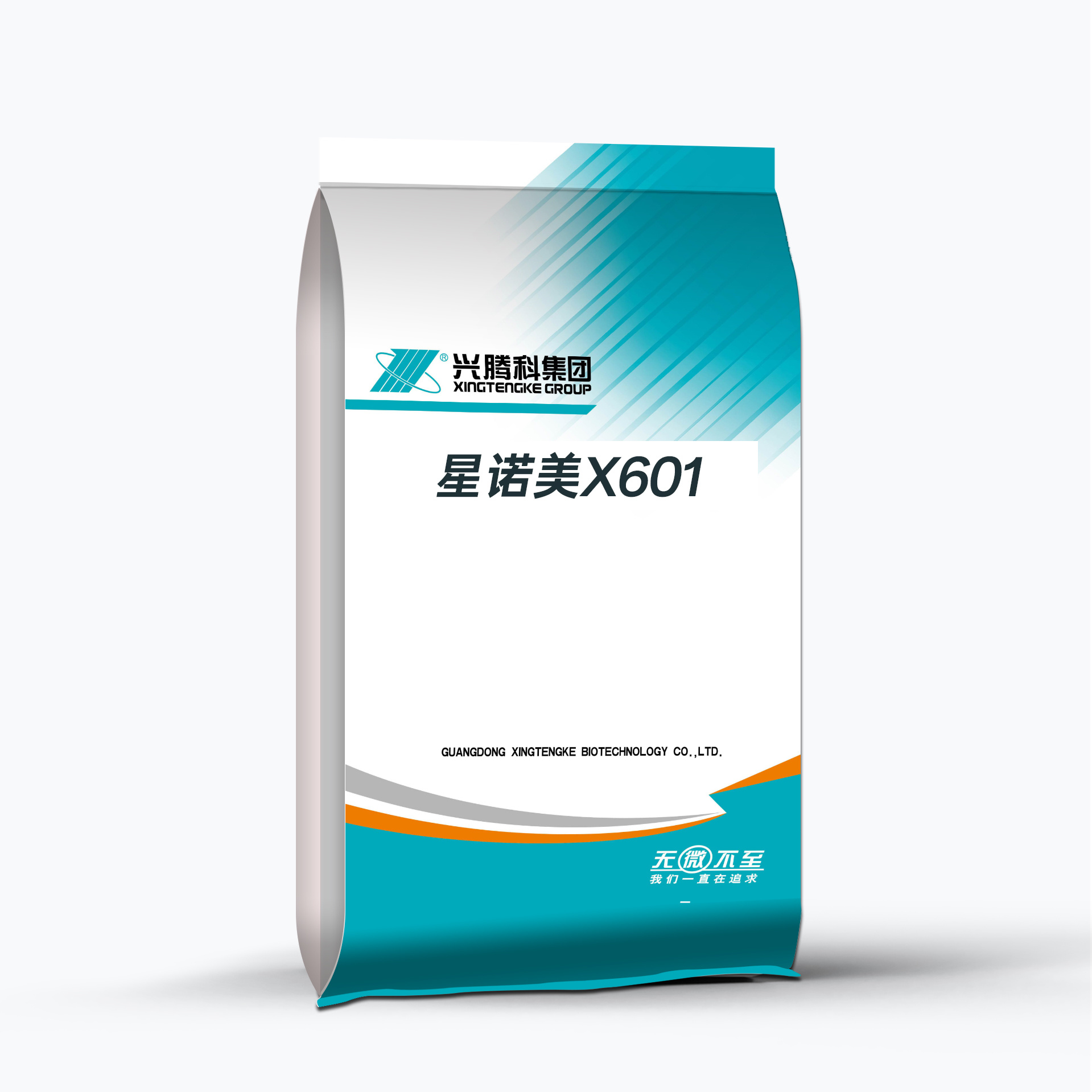
organic trace minerals for livestock nutrition


Suntaq International Limited





Contact Information
Add: No.5, Circuit Road, Zhaoqing High-tech Zone, Guangdong Province
Email: cson54@xingtengke.com
WhatsApp: +86-13602982201