

Understanding the Importance of Livestock Trace Mineral Mixes for Animal Health
Release time:
2026-07-03 09:50
Source:
Livestock trace mineral mixes are specialized formulations designed to provide essential micronutrients that are crucial for the optimal growth, reproduction, and overall health of animals. These mixes typically contain a variety of trace minerals, such as zinc, copper, manganese, selenium, and iodine, which are required in small amounts but have a profound impact on physiological functions.
One of the primary benefits of incorporating a livestock trace mineral mix into animal diets is the enhancement of immune function. Trace minerals play a vital role in the development and activity of immune cells. For instance, zinc is known to support the function of various immune cells, while selenium has antioxidant properties that help mitigate oxidative stress. By ensuring that livestock receive adequate amounts of these minerals, producers can potentially reduce the incidence of diseases and improve animal health.
Moreover, trace minerals are integral to reproductive performance in livestock. Copper, for example, is essential for the development of healthy offspring and plays a role in hormone production. Insufficient levels of copper can lead to reproductive issues such as infertility and suboptimal fetal development. By utilizing a well-formulated trace mineral mix, producers can enhance reproductive outcomes and improve overall herd fertility.
Another key aspect of livestock trace mineral mixes is their role in bone development and skeletal health. Minerals like manganese and calcium are essential for proper bone formation and maintenance. Inadequate intake of these minerals can lead to skeletal abnormalities and growth issues. Therefore, ensuring that livestock have access to a balanced mix of trace minerals is crucial for promoting healthy growth and development.
The formulation of livestock trace mineral mixes can vary based on animal species, age, and specific production goals. It is essential for producers to work closely with veterinary nutritionists or animal health professionals to determine the appropriate mix for their specific needs. This tailored approach ensures that animals receive the right balance of nutrients for their unique requirements.
In conclusion, the use of livestock trace mineral mixes is a fundamental aspect of modern animal nutrition. By providing essential trace minerals, these mixes support immune function, reproductive health, and skeletal development, ultimately leading to improved animal welfare and productivity. Understanding the importance of these nutrients can empower producers to make informed decisions that enhance the health and performance of their livestock.
One of the primary benefits of incorporating a livestock trace mineral mix into animal diets is the enhancement of immune function. Trace minerals play a vital role in the development and activity of immune cells. For instance, zinc is known to support the function of various immune cells, while selenium has antioxidant properties that help mitigate oxidative stress. By ensuring that livestock receive adequate amounts of these minerals, producers can potentially reduce the incidence of diseases and improve animal health.
Moreover, trace minerals are integral to reproductive performance in livestock. Copper, for example, is essential for the development of healthy offspring and plays a role in hormone production. Insufficient levels of copper can lead to reproductive issues such as infertility and suboptimal fetal development. By utilizing a well-formulated trace mineral mix, producers can enhance reproductive outcomes and improve overall herd fertility.
Another key aspect of livestock trace mineral mixes is their role in bone development and skeletal health. Minerals like manganese and calcium are essential for proper bone formation and maintenance. Inadequate intake of these minerals can lead to skeletal abnormalities and growth issues. Therefore, ensuring that livestock have access to a balanced mix of trace minerals is crucial for promoting healthy growth and development.
The formulation of livestock trace mineral mixes can vary based on animal species, age, and specific production goals. It is essential for producers to work closely with veterinary nutritionists or animal health professionals to determine the appropriate mix for their specific needs. This tailored approach ensures that animals receive the right balance of nutrients for their unique requirements.
In conclusion, the use of livestock trace mineral mixes is a fundamental aspect of modern animal nutrition. By providing essential trace minerals, these mixes support immune function, reproductive health, and skeletal development, ultimately leading to improved animal welfare and productivity. Understanding the importance of these nutrients can empower producers to make informed decisions that enhance the health and performance of their livestock.
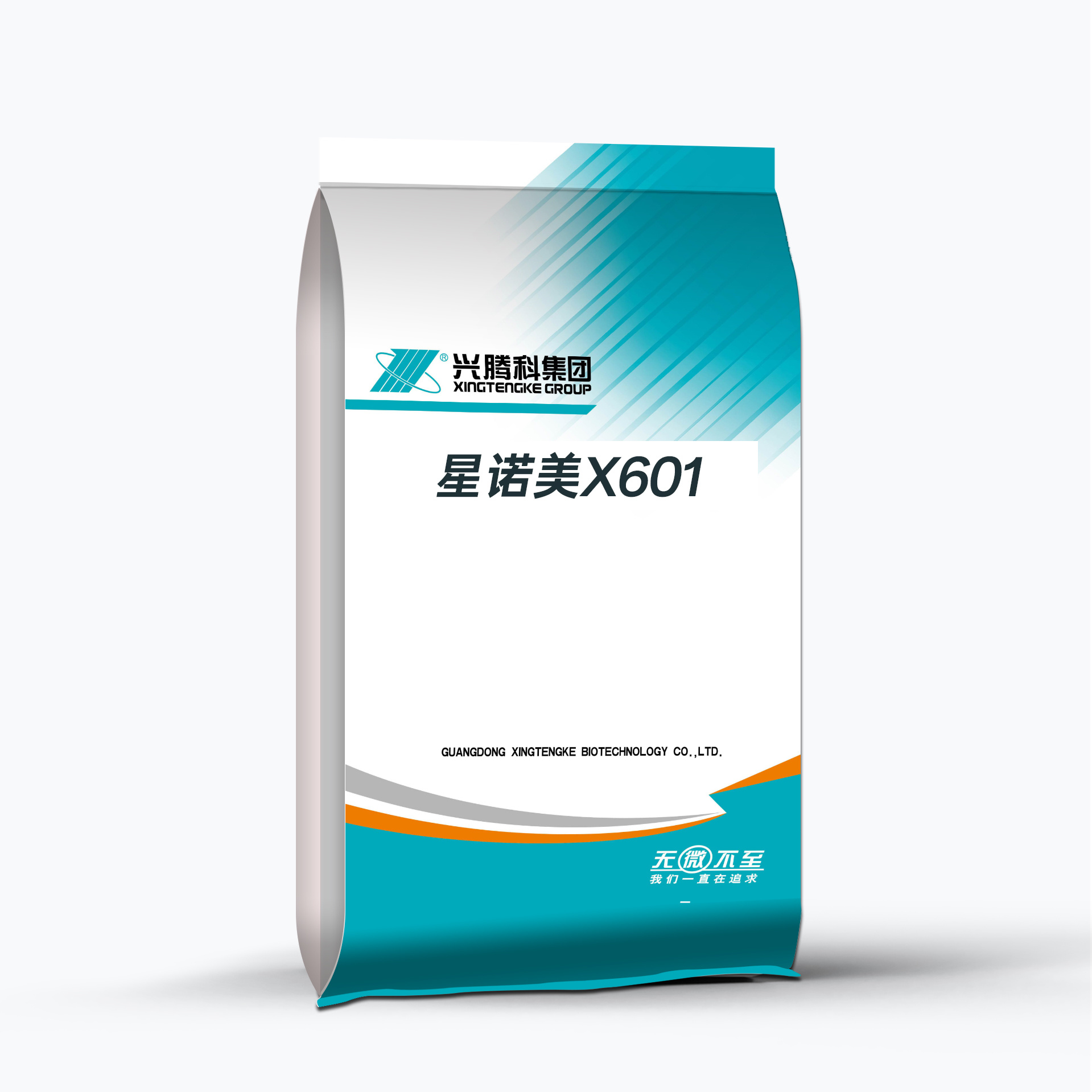
livestock trace mineral mix


Suntaq International Limited





Contact Information
Add: No.5, Circuit Road, Zhaoqing High-tech Zone, Guangdong Province
Email: cson54@xingtengke.com
WhatsApp: +86-13602982201