

Unlocking the Benefits of Organic Trace Minerals in Livestock Nutrition
Release time:
2026-06-21 09:50
Source:
Organic trace minerals are essential micronutrients that play a pivotal role in the nutrition and overall health of livestock. Unlike their inorganic counterparts, organic trace minerals are bound to organic compounds, which enhances their bioavailability and absorption in the animal's body. This characteristic makes them particularly beneficial in animal husbandry, where optimizing nutrition is crucial for achieving maximum productivity and health.
One of the primary advantages of incorporating organic trace minerals into livestock diets is their improved absorption rates. Animals often struggle to efficiently utilize inorganic minerals due to various factors such as interactions with other dietary components and their inherent solubility. Organic trace minerals, being more readily absorbed, can lead to better mineral status in the animal, supporting vital physiological functions.
Moreover, organic trace minerals contribute significantly to the immune system of livestock. For instance, zinc, copper, and selenium are integral to the development of immune responses. A well-nourished immune system can lead to reduced disease incidence and improved overall animal health, which is essential for any livestock operation. This is particularly important in modern farming practices where stressors such as intensive production systems and environmental challenges can compromise animal welfare.
In addition to enhancing immune function, organic trace minerals have been shown to improve reproductive performance in livestock. Adequate levels of trace minerals are crucial during gestation and lactation, influencing fertility rates and the health of offspring. Farmers who prioritize these nutrients in their livestock nutrition can experience higher reproductive success, translating into better herd management and economic returns.
Furthermore, organic trace minerals can play a role in improving feed efficiency. By ensuring that livestock receive the necessary micronutrients, animals can better utilize feed, leading to improved weight gain and reduced feed costs. This aspect is particularly advantageous in a competitive agricultural market where margins can be tight.
It's also worth noting that the environmental impact of livestock production can be mitigated through the use of organic trace minerals. Since these minerals enhance nutrient utilization, they can lead to less nutrient excretion into the environment, supporting more sustainable farming practices.
In conclusion, the integration of organic trace minerals into livestock nutrition is a powerful strategy for enhancing animal health, productivity, and sustainability. By understanding the significance of these essential nutrients, livestock producers can make informed decisions that positively impact animal welfare and farm profitability. As the industry continues to evolve, the role of organic trace minerals will undoubtedly remain a focal point in the quest for optimal livestock nutrition.
One of the primary advantages of incorporating organic trace minerals into livestock diets is their improved absorption rates. Animals often struggle to efficiently utilize inorganic minerals due to various factors such as interactions with other dietary components and their inherent solubility. Organic trace minerals, being more readily absorbed, can lead to better mineral status in the animal, supporting vital physiological functions.
Moreover, organic trace minerals contribute significantly to the immune system of livestock. For instance, zinc, copper, and selenium are integral to the development of immune responses. A well-nourished immune system can lead to reduced disease incidence and improved overall animal health, which is essential for any livestock operation. This is particularly important in modern farming practices where stressors such as intensive production systems and environmental challenges can compromise animal welfare.
In addition to enhancing immune function, organic trace minerals have been shown to improve reproductive performance in livestock. Adequate levels of trace minerals are crucial during gestation and lactation, influencing fertility rates and the health of offspring. Farmers who prioritize these nutrients in their livestock nutrition can experience higher reproductive success, translating into better herd management and economic returns.
Furthermore, organic trace minerals can play a role in improving feed efficiency. By ensuring that livestock receive the necessary micronutrients, animals can better utilize feed, leading to improved weight gain and reduced feed costs. This aspect is particularly advantageous in a competitive agricultural market where margins can be tight.
It's also worth noting that the environmental impact of livestock production can be mitigated through the use of organic trace minerals. Since these minerals enhance nutrient utilization, they can lead to less nutrient excretion into the environment, supporting more sustainable farming practices.
In conclusion, the integration of organic trace minerals into livestock nutrition is a powerful strategy for enhancing animal health, productivity, and sustainability. By understanding the significance of these essential nutrients, livestock producers can make informed decisions that positively impact animal welfare and farm profitability. As the industry continues to evolve, the role of organic trace minerals will undoubtedly remain a focal point in the quest for optimal livestock nutrition.
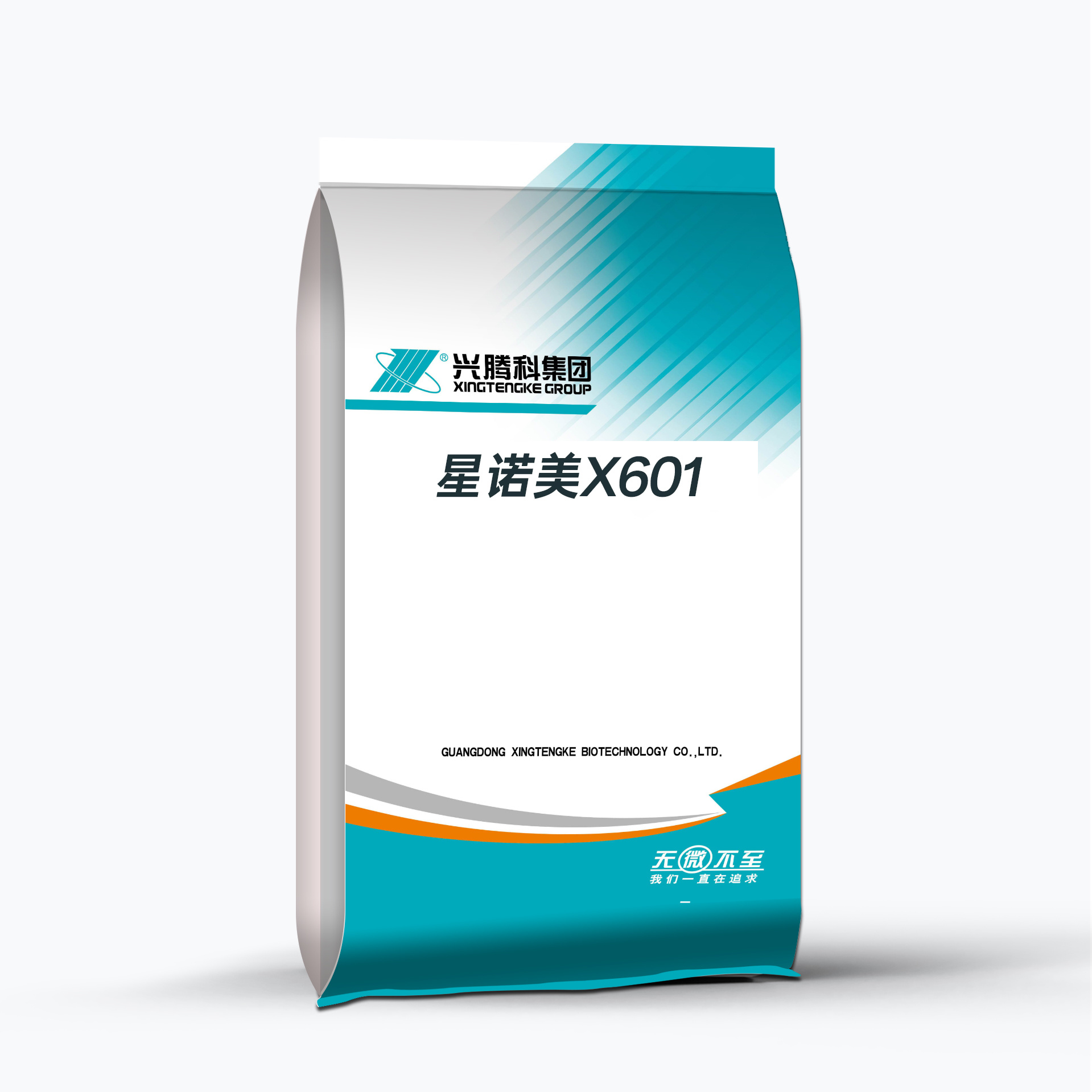
organic trace minerals for livestock nutrition


Suntaq International Limited





Contact Information
Add: No.5, Circuit Road, Zhaoqing High-tech Zone, Guangdong Province
Email: cson54@xingtengke.com
WhatsApp: +86-13602982201