

The Essential Guide to Livestock Trace Mineral Mix: Enhancing Health and Productivity
Release time:
2026-05-16 11:30
Source:
Trace minerals are vital nutrients that play a fundamental role in the overall health and productivity of livestock. A livestock trace mineral mix is specifically formulated to provide essential minerals that may be lacking in the animal's regular diet. These minerals include zinc, copper, manganese, selenium, and iodine, all of which are crucial for various bodily functions.
Zinc is essential for immune function and skin health, while copper is involved in the formation of red blood cells and the maintenance of healthy connective tissues. Manganese plays a vital role in bone development and reproductive health, and selenium is known for its antioxidant properties, helping to protect cells from damage. Iodine is integral for thyroid function, which regulates metabolism in livestock.
Incorporating a well-balanced livestock trace mineral mix into the diet can help prevent deficiencies that could lead to health problems such as poor growth rates, reproductive issues, and increased susceptibility to diseases. For instance, a deficiency in selenium can lead to white muscle disease in sheep and cattle, while a lack of copper can result in anemia and decreased fertility.
When selecting a livestock trace mineral mix, it's important to consider factors such as the specific needs of your livestock, the mineral content of your existing feed, and the geographical area's soil and water quality. Conducting a thorough nutritional assessment can help determine the appropriate blend and quantities of minerals required for optimal health.
Moreover, the method of delivering the trace mineral mix is also critical. It can be offered as a top-dressing on feed, mixed into TMR (Total Mixed Ration), or provided as free-choice minerals in a separate feeder. The goal is to ensure that each animal receives an adequate amount of minerals to support their health and productivity.
Recent studies have also highlighted the importance of trace mineral interactions. For instance, high levels of certain minerals can inhibit the absorption of others. Therefore, it's essential to carefully formulate the livestock trace mineral mix to avoid such antagonistic effects and ensure a balanced intake.
In conclusion, a well-formulated livestock trace mineral mix is vital for maintaining the health of your livestock and enhancing their productivity. Understanding the roles of various minerals and ensuring your animals have access to an optimal blend can lead to healthier, more productive livestock, ultimately benefiting your farming operation. By investing in proper mineral supplementation, you not only support the immediate health of your animals but also contribute to the long-term sustainability of your livestock production system.
Zinc is essential for immune function and skin health, while copper is involved in the formation of red blood cells and the maintenance of healthy connective tissues. Manganese plays a vital role in bone development and reproductive health, and selenium is known for its antioxidant properties, helping to protect cells from damage. Iodine is integral for thyroid function, which regulates metabolism in livestock.
Incorporating a well-balanced livestock trace mineral mix into the diet can help prevent deficiencies that could lead to health problems such as poor growth rates, reproductive issues, and increased susceptibility to diseases. For instance, a deficiency in selenium can lead to white muscle disease in sheep and cattle, while a lack of copper can result in anemia and decreased fertility.
When selecting a livestock trace mineral mix, it's important to consider factors such as the specific needs of your livestock, the mineral content of your existing feed, and the geographical area's soil and water quality. Conducting a thorough nutritional assessment can help determine the appropriate blend and quantities of minerals required for optimal health.
Moreover, the method of delivering the trace mineral mix is also critical. It can be offered as a top-dressing on feed, mixed into TMR (Total Mixed Ration), or provided as free-choice minerals in a separate feeder. The goal is to ensure that each animal receives an adequate amount of minerals to support their health and productivity.
Recent studies have also highlighted the importance of trace mineral interactions. For instance, high levels of certain minerals can inhibit the absorption of others. Therefore, it's essential to carefully formulate the livestock trace mineral mix to avoid such antagonistic effects and ensure a balanced intake.
In conclusion, a well-formulated livestock trace mineral mix is vital for maintaining the health of your livestock and enhancing their productivity. Understanding the roles of various minerals and ensuring your animals have access to an optimal blend can lead to healthier, more productive livestock, ultimately benefiting your farming operation. By investing in proper mineral supplementation, you not only support the immediate health of your animals but also contribute to the long-term sustainability of your livestock production system.
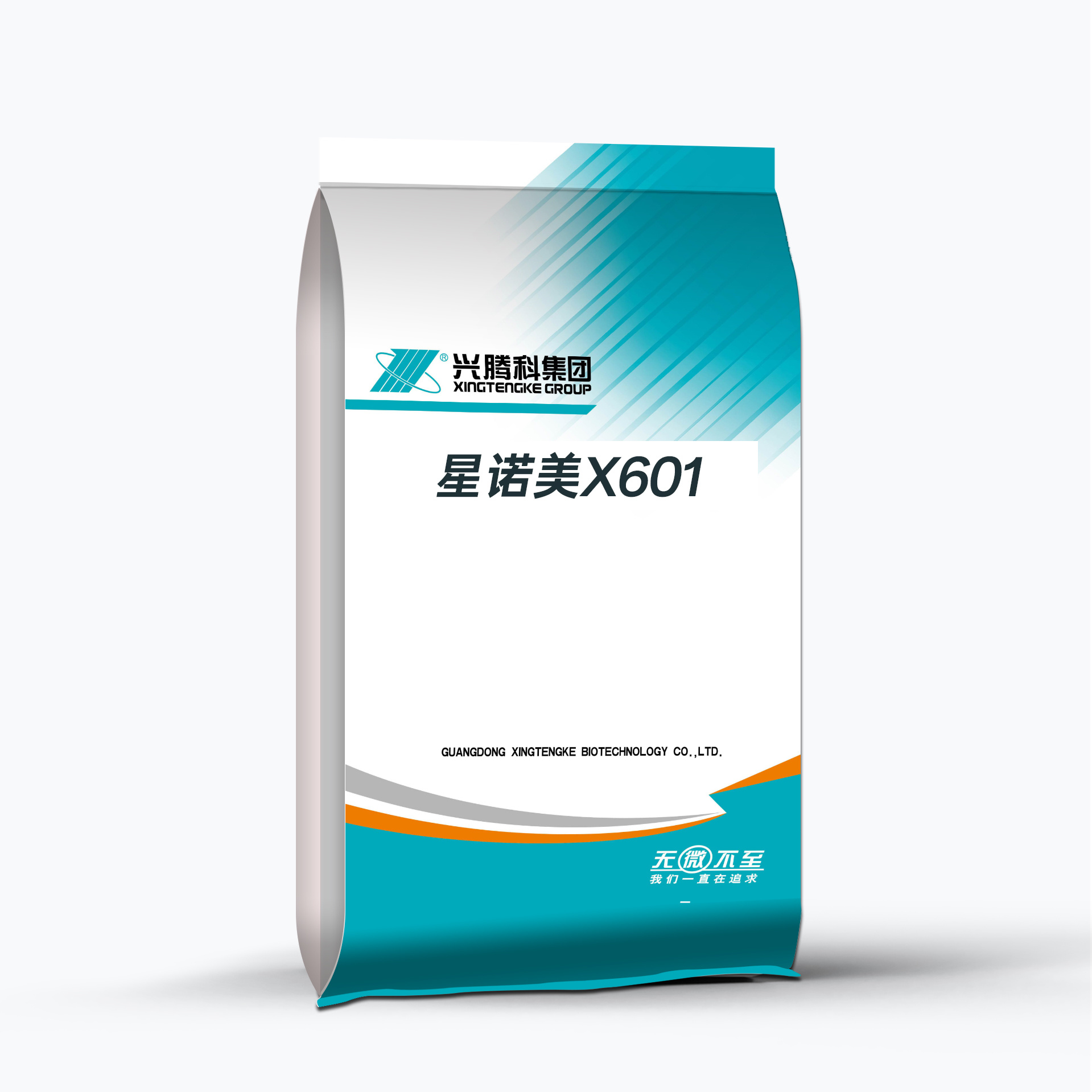
livestock trace mineral mix


Suntaq International Limited





Contact Information
Add: No.5, Circuit Road, Zhaoqing High-tech Zone, Guangdong Province
Email: cson54@xingtengke.com
WhatsApp: +86-13602982201