

Enhancing Livestock Nutrition with Organic Trace Minerals
Release time:
2026-05-04 11:50
Source:
Organic trace minerals play a pivotal role in livestock nutrition, serving as crucial components in the diets of various farm animals. These minerals, which include zinc, copper, manganese, selenium, and others, are vital for numerous physiological functions that directly impact animal health and productivity. Unlike their inorganic counterparts, organic trace minerals are bound to organic molecules, which enhances their bioavailability and absorption in the animal's system.
One of the primary benefits of incorporating organic trace minerals into livestock diets is their contribution to improved immune function. Animals require trace minerals for the development and maintenance of a robust immune system. For instance, zinc is essential for the function of numerous immune cells, and its deficiency may lead to increased susceptibility to diseases. By ensuring an adequate supply of organic trace minerals, livestock can better resist infections and reduce the reliance on antibiotics, thus supporting overall herd health.
In addition to immune support, organic trace minerals are critical for reproductive performance in livestock. Manganese, for example, plays a significant role in reproduction, influencing the fertility of both male and female animals. Supplementation with organic forms of trace minerals can enhance reproductive outcomes, leading to better conception rates and improved offspring viability.
Moreover, organic trace minerals contribute to the metabolic processes that drive growth and development in livestock. These minerals are involved in enzymatic reactions, hormone synthesis, and nutrient metabolism. By optimizing livestock nutrition with organic trace minerals, producers can enhance feed efficiency, leading to improved weight gain and overall growth performance.
When formulating rations for livestock, it is essential to consider the specific needs of each species and production stage. For example, growing animals may require a different balance of trace minerals compared to breeding stock. Collaborating with a livestock nutritionist can help ensure that diets are tailored to meet the unique requirements of different animal groups.
In conclusion, the use of organic trace minerals in livestock nutrition offers numerous benefits, including enhanced immune function, improved reproductive performance, and optimized growth rates. By integrating these essential nutrients into feeding programs, livestock producers can promote the health and productivity of their animals, ultimately leading to more sustainable and profitable operations. Prioritizing the nutritional needs of livestock through the inclusion of organic trace minerals can pave the way for a healthier herd and a more successful farming venture.
One of the primary benefits of incorporating organic trace minerals into livestock diets is their contribution to improved immune function. Animals require trace minerals for the development and maintenance of a robust immune system. For instance, zinc is essential for the function of numerous immune cells, and its deficiency may lead to increased susceptibility to diseases. By ensuring an adequate supply of organic trace minerals, livestock can better resist infections and reduce the reliance on antibiotics, thus supporting overall herd health.
In addition to immune support, organic trace minerals are critical for reproductive performance in livestock. Manganese, for example, plays a significant role in reproduction, influencing the fertility of both male and female animals. Supplementation with organic forms of trace minerals can enhance reproductive outcomes, leading to better conception rates and improved offspring viability.
Moreover, organic trace minerals contribute to the metabolic processes that drive growth and development in livestock. These minerals are involved in enzymatic reactions, hormone synthesis, and nutrient metabolism. By optimizing livestock nutrition with organic trace minerals, producers can enhance feed efficiency, leading to improved weight gain and overall growth performance.
When formulating rations for livestock, it is essential to consider the specific needs of each species and production stage. For example, growing animals may require a different balance of trace minerals compared to breeding stock. Collaborating with a livestock nutritionist can help ensure that diets are tailored to meet the unique requirements of different animal groups.
In conclusion, the use of organic trace minerals in livestock nutrition offers numerous benefits, including enhanced immune function, improved reproductive performance, and optimized growth rates. By integrating these essential nutrients into feeding programs, livestock producers can promote the health and productivity of their animals, ultimately leading to more sustainable and profitable operations. Prioritizing the nutritional needs of livestock through the inclusion of organic trace minerals can pave the way for a healthier herd and a more successful farming venture.
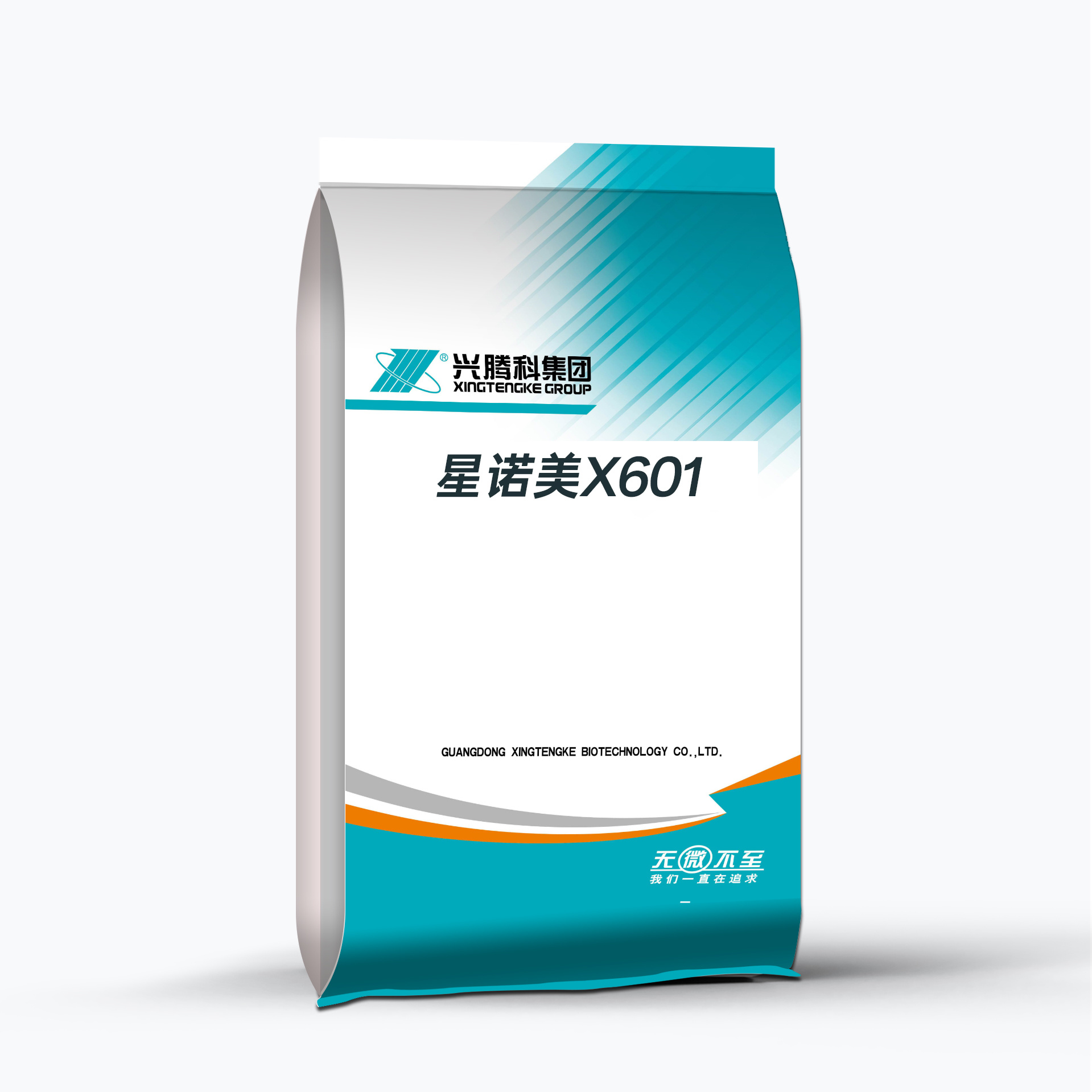
organic trace minerals for livestock nutrition


Suntaq International Limited





Contact Information
Add: No.5, Circuit Road, Zhaoqing High-tech Zone, Guangdong Province
Email: cson54@xingtengke.com
WhatsApp: +86-13602982201