

Understanding the Importance of Livestock Trace Mineral Mixes in Animal Health
Release time:
2026-03-29 11:10
Source:
In the realm of livestock management, ensuring the optimal health and productivity of animals is crucial for any agricultural or veterinary professional. One often overlooked but extremely important aspect of livestock nutrition is the use of trace mineral mixes. These mixes contain essential minerals that are vital for various physiological functions and overall well-being of livestock.
Trace minerals, while required in minute quantities, are critical for the growth, reproduction, and immune function of animals. Common trace minerals include zinc, copper, manganese, selenium, and iodine, each serving specific roles in metabolic processes. For instance, zinc is essential for skin health and immune response, while selenium plays a crucial role in antioxidant defense and reproduction. A balanced supply of these minerals can significantly enhance animal health and productivity.
Livestock trace mineral mixes typically come in various formulations to cater to the specific needs of different species and production stages. For example, ruminants, swine, and poultry each have distinct mineral requirements. Therefore, it is important to choose a mix that aligns with the specific needs of the livestock in question, considering factors such as age, breed, and production goals.
Incorporating a well-formulated trace mineral mix into animal diets can lead to numerous benefits. Improved growth rates, enhanced reproductive performance, and stronger immunity against diseases are just a few advantages. Additionally, animals receiving the right balance of trace minerals often exhibit better feed efficiency, which can ultimately lead to lower production costs and higher profitability.
To effectively utilize livestock trace mineral mixes, it is crucial for professionals in the pharmaceutical and bioproduct industries to stay informed about the latest nutritional research and recommendations. Regular monitoring of mineral levels in the feed and the animals themselves can help ensure that livestock receive the appropriate amount of trace minerals. Consulting with nutritionists or veterinarians can provide tailored advice on the optimal formulation and feeding strategies for specific livestock operations.
In summary, livestock trace mineral mixes are a fundamental component of animal nutrition that significantly contributes to the health and productivity of livestock. By understanding the importance of these mineral mixes and their role in animal health management, professionals can make informed decisions that benefit both the animals and the overall success of their operations.
Trace minerals, while required in minute quantities, are critical for the growth, reproduction, and immune function of animals. Common trace minerals include zinc, copper, manganese, selenium, and iodine, each serving specific roles in metabolic processes. For instance, zinc is essential for skin health and immune response, while selenium plays a crucial role in antioxidant defense and reproduction. A balanced supply of these minerals can significantly enhance animal health and productivity.
Livestock trace mineral mixes typically come in various formulations to cater to the specific needs of different species and production stages. For example, ruminants, swine, and poultry each have distinct mineral requirements. Therefore, it is important to choose a mix that aligns with the specific needs of the livestock in question, considering factors such as age, breed, and production goals.
Incorporating a well-formulated trace mineral mix into animal diets can lead to numerous benefits. Improved growth rates, enhanced reproductive performance, and stronger immunity against diseases are just a few advantages. Additionally, animals receiving the right balance of trace minerals often exhibit better feed efficiency, which can ultimately lead to lower production costs and higher profitability.
To effectively utilize livestock trace mineral mixes, it is crucial for professionals in the pharmaceutical and bioproduct industries to stay informed about the latest nutritional research and recommendations. Regular monitoring of mineral levels in the feed and the animals themselves can help ensure that livestock receive the appropriate amount of trace minerals. Consulting with nutritionists or veterinarians can provide tailored advice on the optimal formulation and feeding strategies for specific livestock operations.
In summary, livestock trace mineral mixes are a fundamental component of animal nutrition that significantly contributes to the health and productivity of livestock. By understanding the importance of these mineral mixes and their role in animal health management, professionals can make informed decisions that benefit both the animals and the overall success of their operations.
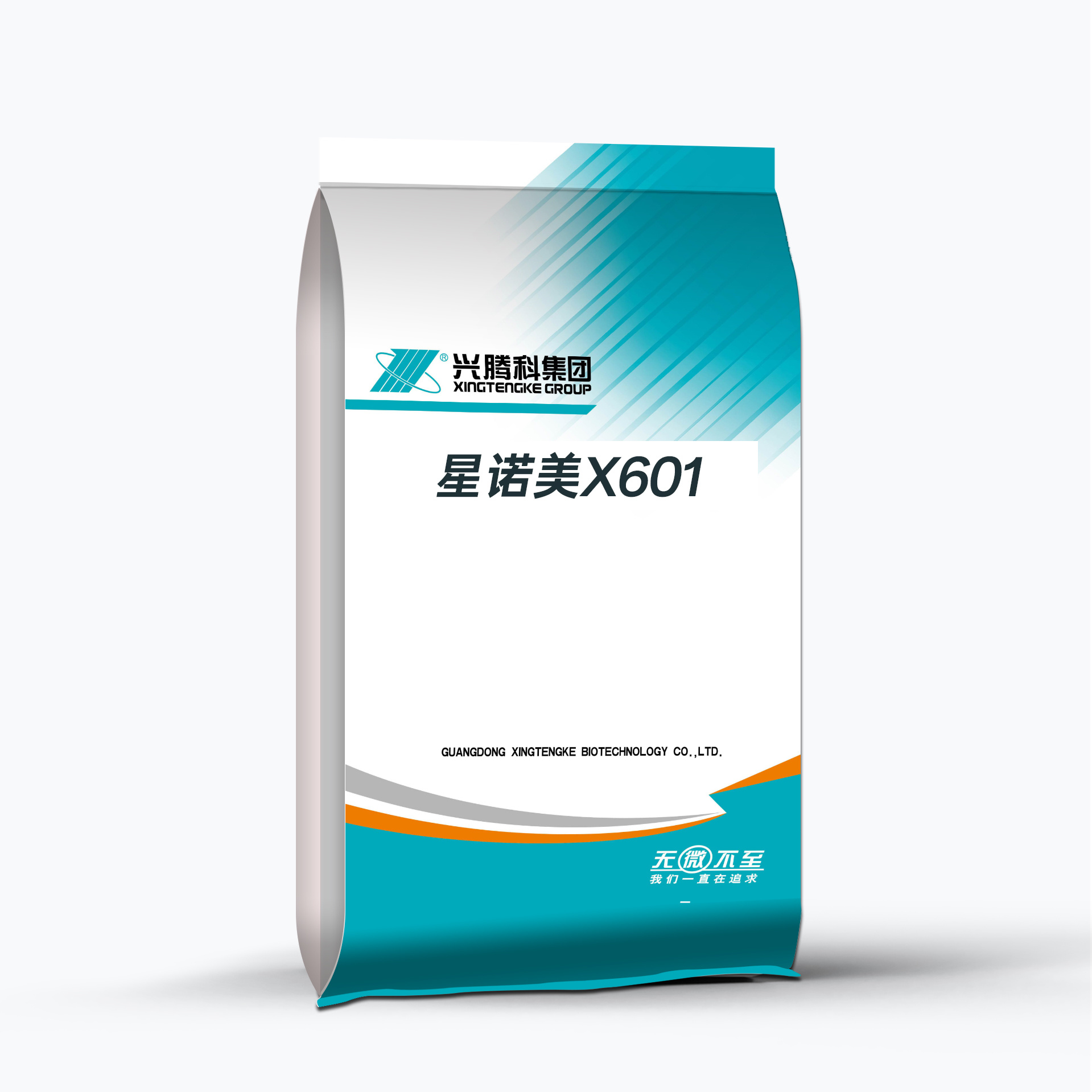
livestock trace mineral mix


Suntaq International Limited





Contact Information
Add: No.5, Circuit Road, Zhaoqing High-tech Zone, Guangdong Province
Email: cson54@xingtengke.com
WhatsApp: +86-13602982201