

Unlocking the Power of Organic Trace Minerals in Livestock Nutrition
Release time:
2026-03-17 10:20
Source:
In the realm of livestock nutrition, the importance of trace minerals cannot be overstated. Organic trace minerals, in particular, offer a range of benefits that contribute to the overall health and productivity of livestock. These minerals are bound to organic molecules, which can enhance their bioavailability and absorption within the animal's body, leading to improved nutritional outcomes.
Organic trace minerals, such as zinc, copper, manganese, and selenium, play critical roles in numerous physiological processes. They are essential for enzyme function, immune system support, antioxidant activity, and even reproductive health. Unlike their inorganic counterparts, organic trace minerals are more easily absorbed in the gastrointestinal tract, resulting in better utilization by the animal. This increased bioavailability can help ensure that livestock receive the necessary nutrients for optimal growth, development, and performance.
One of the primary advantages of incorporating organic trace minerals into livestock diets is their potential to improve immune function. Animals that receive adequate levels of these minerals are better equipped to fight off diseases and infections, which can lead to lower veterinary costs and improved overall herd health. Additionally, a strong immune system can enhance the animal's ability to withstand stressors, such as environmental changes or transportation.
Furthermore, organic trace minerals have been shown to positively impact reproductive performance. For instance, zinc plays a vital role in sperm production and quality, while selenium is known to support embryo development and prevent miscarriages. By ensuring that livestock receive appropriate levels of these minerals, producers can enhance fertility rates and lead to more successful breeding outcomes.
In terms of growth and feed efficiency, organic trace minerals can also make a significant difference. Livestock that are supplemented with organic forms of these minerals often exhibit improved weight gain and feed conversion ratios. This means that animals can achieve their growth targets more efficiently, which can ultimately contribute to increased profitability for producers.
Another key consideration is the environmental impact of livestock production. Organic trace minerals can help reduce waste and lower the environmental footprint of livestock operations. By optimizing mineral absorption and utilization, less excretion of excess minerals occurs, leading to decreased soil and water contamination.
In conclusion, integrating organic trace minerals into livestock nutrition is a strategic approach that can yield substantial benefits for animal health, productivity, and sustainability. As the demand for quality animal products continues to rise, understanding and utilizing these essential nutrients will be crucial for producers aiming to enhance their livestock operations. By focusing on the advantages of organic trace minerals, stakeholders in the livestock industry can create a more efficient, healthier, and environmentally responsible production system.
Organic trace minerals, such as zinc, copper, manganese, and selenium, play critical roles in numerous physiological processes. They are essential for enzyme function, immune system support, antioxidant activity, and even reproductive health. Unlike their inorganic counterparts, organic trace minerals are more easily absorbed in the gastrointestinal tract, resulting in better utilization by the animal. This increased bioavailability can help ensure that livestock receive the necessary nutrients for optimal growth, development, and performance.
One of the primary advantages of incorporating organic trace minerals into livestock diets is their potential to improve immune function. Animals that receive adequate levels of these minerals are better equipped to fight off diseases and infections, which can lead to lower veterinary costs and improved overall herd health. Additionally, a strong immune system can enhance the animal's ability to withstand stressors, such as environmental changes or transportation.
Furthermore, organic trace minerals have been shown to positively impact reproductive performance. For instance, zinc plays a vital role in sperm production and quality, while selenium is known to support embryo development and prevent miscarriages. By ensuring that livestock receive appropriate levels of these minerals, producers can enhance fertility rates and lead to more successful breeding outcomes.
In terms of growth and feed efficiency, organic trace minerals can also make a significant difference. Livestock that are supplemented with organic forms of these minerals often exhibit improved weight gain and feed conversion ratios. This means that animals can achieve their growth targets more efficiently, which can ultimately contribute to increased profitability for producers.
Another key consideration is the environmental impact of livestock production. Organic trace minerals can help reduce waste and lower the environmental footprint of livestock operations. By optimizing mineral absorption and utilization, less excretion of excess minerals occurs, leading to decreased soil and water contamination.
In conclusion, integrating organic trace minerals into livestock nutrition is a strategic approach that can yield substantial benefits for animal health, productivity, and sustainability. As the demand for quality animal products continues to rise, understanding and utilizing these essential nutrients will be crucial for producers aiming to enhance their livestock operations. By focusing on the advantages of organic trace minerals, stakeholders in the livestock industry can create a more efficient, healthier, and environmentally responsible production system.
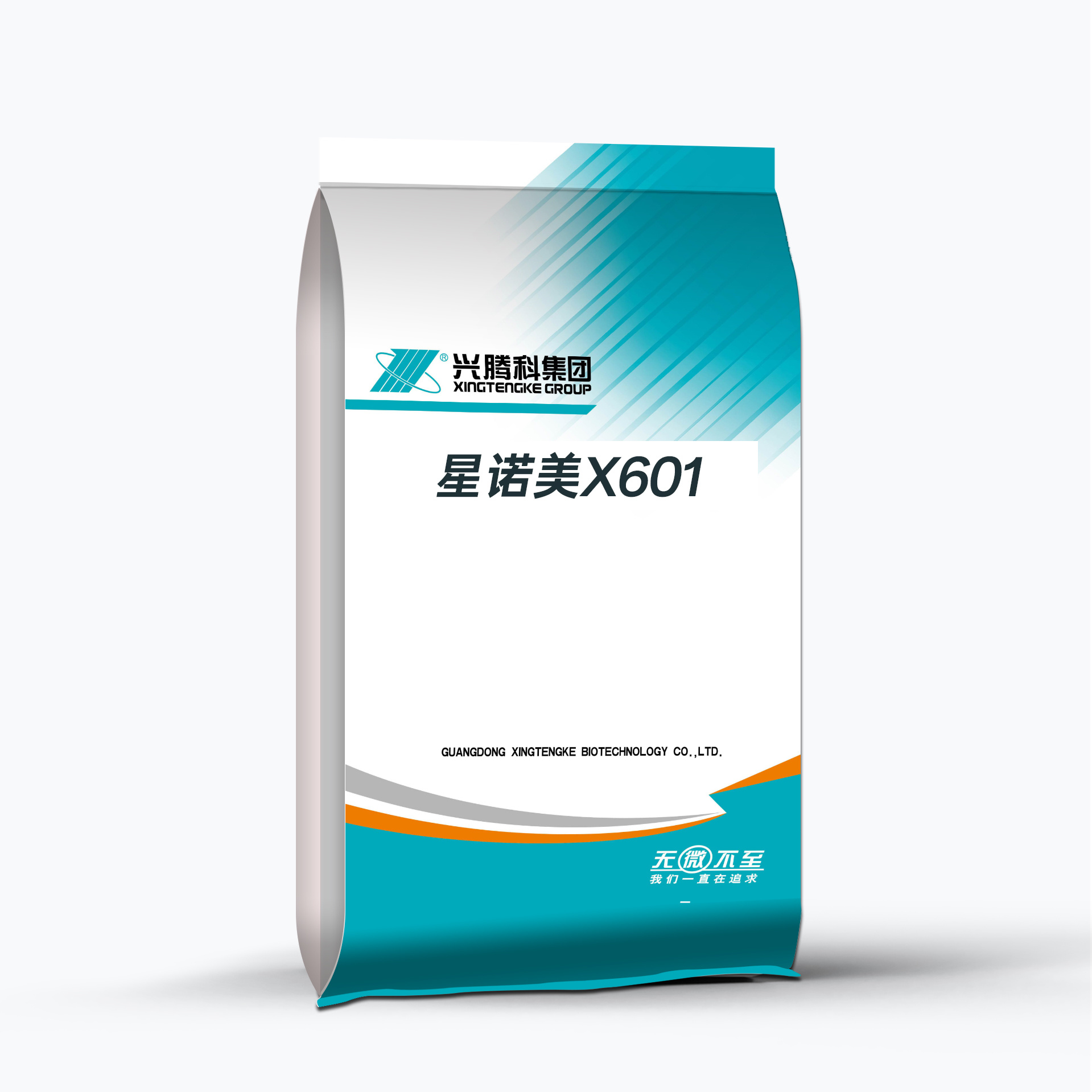
organic trace minerals for livestock nutrition


Suntaq International Limited





Contact Information
Add: No.5, Circuit Road, Zhaoqing High-tech Zone, Guangdong Province
Email: cson54@xingtengke.com
WhatsApp: +86-13602982201