

Unlocking the Benefits of Small Peptide Mineral Chelates in Animal Feed
Release time:
2026-03-05 10:30
Source:
Small peptide mineral chelates are increasingly gaining recognition in the animal feed industry due to their numerous benefits for livestock health and productivity. These specialized chelates combine minerals with small peptides, facilitating better absorption and bioavailability in animals. This article will delve into the significance of small peptide mineral chelates in animal feed and explore how they contribute to enhanced animal health.
One of the primary advantages of small peptide mineral chelates is their improved solubility compared to traditional mineral forms. By binding minerals to small peptides, these chelates can bypass some of the digestive barriers that often hinder the absorption of essential minerals in animals. This improved bioavailability ensures that livestock receive the necessary nutrients more efficiently, promoting better growth rates and overall performance.
Moreover, small peptide mineral chelates are less likely to interact with other dietary components, which can lead to reduced mineral absorption. This characteristic makes them particularly beneficial in complex feed formulations, where multiple ingredients may affect nutrient uptake. By using small peptide mineral chelates, animal nutritionists can optimize formulations to achieve the desired health outcomes without compromising the integrity of the diet.
In addition to enhanced mineral absorption, small peptide mineral chelates also play a role in supporting immune function and overall animal health. Research suggests that these chelates can improve the bioavailability of critical trace minerals, such as zinc, copper, and manganese, which are essential for various enzymatic processes and immune responses. By ensuring adequate levels of these minerals, small peptide mineral chelates contribute to healthier animals that can resist diseases and thrive in their environments.
Furthermore, incorporating small peptide mineral chelates into animal feed can lead to improved feed efficiency. Livestock that receive well-balanced nutrition are more likely to convert feed into body weight effectively, reducing the overall feed costs for producers. This aspect is particularly vital in today's competitive market, where optimizing production efficiency can significantly impact profitability.
As the demand for sustainable and efficient livestock production continues to grow, the adoption of innovative feed additives such as small peptide mineral chelates is becoming increasingly important. These chelates not only enhance the nutritional profile of animal feed but also support the overall well-being of livestock, leading to healthier animals and potentially higher yields for producers.
In conclusion, small peptide mineral chelates are a valuable addition to animal feed formulations, offering numerous benefits in terms of mineral absorption, immune support, and feed efficiency. By understanding and utilizing these advanced nutritional solutions, producers can improve animal health and productivity, ultimately enhancing the sustainability of their operations.
One of the primary advantages of small peptide mineral chelates is their improved solubility compared to traditional mineral forms. By binding minerals to small peptides, these chelates can bypass some of the digestive barriers that often hinder the absorption of essential minerals in animals. This improved bioavailability ensures that livestock receive the necessary nutrients more efficiently, promoting better growth rates and overall performance.
Moreover, small peptide mineral chelates are less likely to interact with other dietary components, which can lead to reduced mineral absorption. This characteristic makes them particularly beneficial in complex feed formulations, where multiple ingredients may affect nutrient uptake. By using small peptide mineral chelates, animal nutritionists can optimize formulations to achieve the desired health outcomes without compromising the integrity of the diet.
In addition to enhanced mineral absorption, small peptide mineral chelates also play a role in supporting immune function and overall animal health. Research suggests that these chelates can improve the bioavailability of critical trace minerals, such as zinc, copper, and manganese, which are essential for various enzymatic processes and immune responses. By ensuring adequate levels of these minerals, small peptide mineral chelates contribute to healthier animals that can resist diseases and thrive in their environments.
Furthermore, incorporating small peptide mineral chelates into animal feed can lead to improved feed efficiency. Livestock that receive well-balanced nutrition are more likely to convert feed into body weight effectively, reducing the overall feed costs for producers. This aspect is particularly vital in today's competitive market, where optimizing production efficiency can significantly impact profitability.
As the demand for sustainable and efficient livestock production continues to grow, the adoption of innovative feed additives such as small peptide mineral chelates is becoming increasingly important. These chelates not only enhance the nutritional profile of animal feed but also support the overall well-being of livestock, leading to healthier animals and potentially higher yields for producers.
In conclusion, small peptide mineral chelates are a valuable addition to animal feed formulations, offering numerous benefits in terms of mineral absorption, immune support, and feed efficiency. By understanding and utilizing these advanced nutritional solutions, producers can improve animal health and productivity, ultimately enhancing the sustainability of their operations.
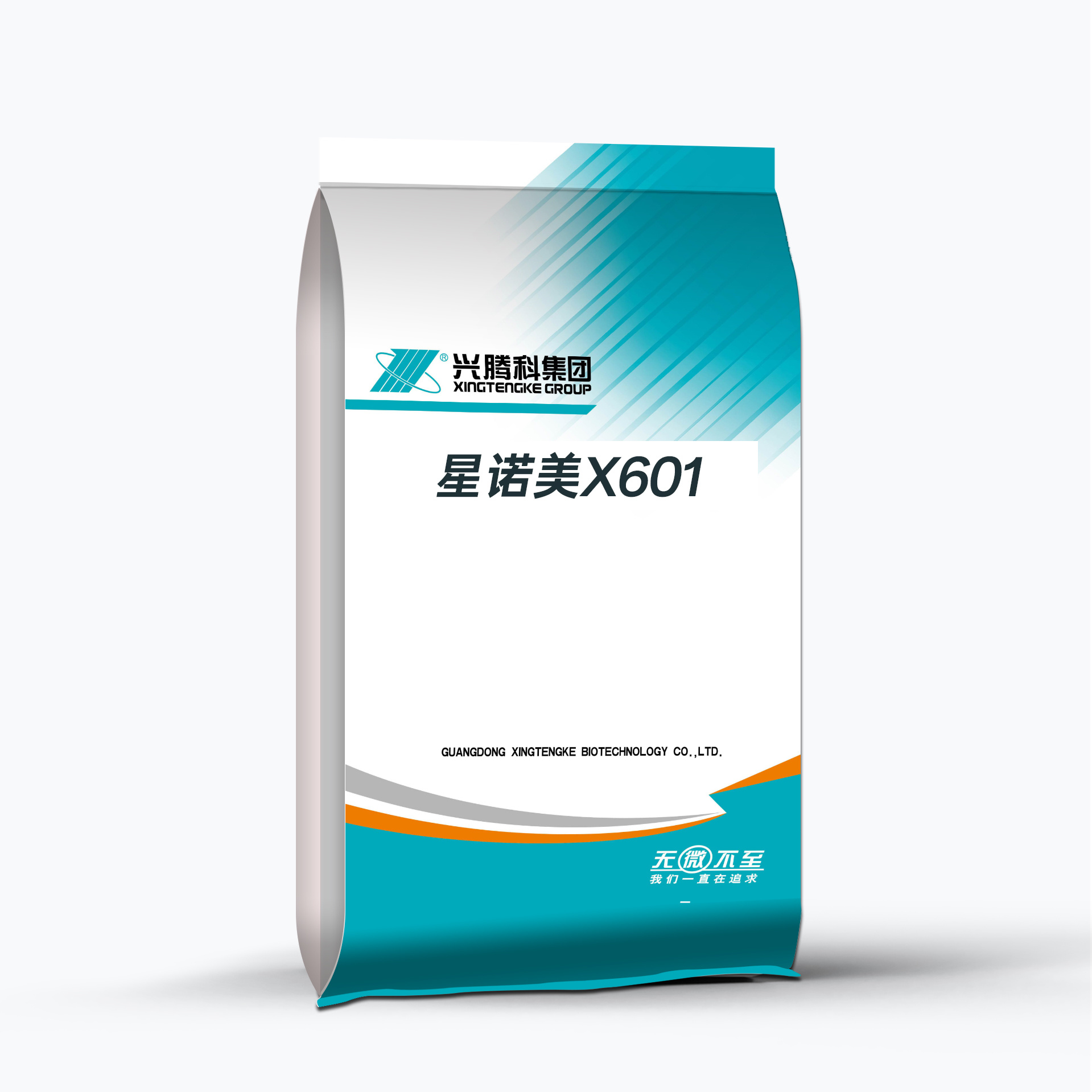
small peptide mineral chelates for animal feed


Suntaq International Limited





Contact Information
Add: No.5, Circuit Road, Zhaoqing High-tech Zone, Guangdong Province
Email: cson54@xingtengke.com
WhatsApp: +86-13602982201