

Essential Trace Mineral Premixes: Boosting Poultry Health and Productivity
Release time:
2026-02-21 10:10
Source:
In poultry farming, maintaining the health and productivity of birds is paramount. One effective way to achieve this is through the use of trace mineral premixes. These specialized formulations provide essential trace minerals that are crucial for the overall wellbeing of poultry. Trace minerals, including zinc, copper, selenium, manganese, and iodine, play significant roles in various physiological functions, thereby contributing to optimal growth and productivity.
Trace minerals are not abundant in feed ingredients, yet they are essential for many biological processes. For instance, zinc is vital for immune function and feather development, while selenium acts as an antioxidant, protecting cells from damage. Manganese is involved in bone development and enzyme systems, and copper contributes to iron metabolism and cardiovascular health. By integrating trace mineral premixes into the diet, poultry farmers can ensure their flocks receive these essential nutrients in adequate amounts.
When formulating diets for poultry, it is important to understand the specific needs of different bird species and their life stages. For example, broilers require a different nutrient profile compared to layers. Trace mineral premixes can be tailored to meet these specific needs, enhancing nutrient absorption and promoting growth rates in broilers or egg production in layers.
The application of trace mineral premixes can take various forms, including incorporation into complete feeds or use in mineral supplements. Farmers should be aware of the correct dosage and the method of delivery to maximize the effectiveness of these premixes. Regular monitoring of flock health and production metrics can help in assessing the impact of trace minerals on poultry performance.
In addition to individual health benefits, trace mineral premixes can also contribute to the overall sustainability of poultry farming. Healthy birds are less prone to disease, reducing the need for antibiotics and other veterinary interventions. This not only supports animal welfare but also aligns with the growing consumer demand for antibiotic-free meat and eggs.
Moreover, the strategic use of trace mineral premixes can lead to better feed conversion ratios, ultimately enhancing profitability. Farmers are encouraged to consult with nutritionists or veterinarians to design optimal feeding strategies that incorporate these essential nutrients effectively.
In conclusion, trace mineral premixes play a critical role in promoting the health and productivity of poultry. By ensuring that birds receive the necessary trace minerals, poultry farmers can achieve better growth rates, improved immune function, and enhanced overall flock performance. This approach not only benefits individual animals but also contributes positively to the sustainability and profitability of the poultry farming industry.
Trace minerals are not abundant in feed ingredients, yet they are essential for many biological processes. For instance, zinc is vital for immune function and feather development, while selenium acts as an antioxidant, protecting cells from damage. Manganese is involved in bone development and enzyme systems, and copper contributes to iron metabolism and cardiovascular health. By integrating trace mineral premixes into the diet, poultry farmers can ensure their flocks receive these essential nutrients in adequate amounts.
When formulating diets for poultry, it is important to understand the specific needs of different bird species and their life stages. For example, broilers require a different nutrient profile compared to layers. Trace mineral premixes can be tailored to meet these specific needs, enhancing nutrient absorption and promoting growth rates in broilers or egg production in layers.
The application of trace mineral premixes can take various forms, including incorporation into complete feeds or use in mineral supplements. Farmers should be aware of the correct dosage and the method of delivery to maximize the effectiveness of these premixes. Regular monitoring of flock health and production metrics can help in assessing the impact of trace minerals on poultry performance.
In addition to individual health benefits, trace mineral premixes can also contribute to the overall sustainability of poultry farming. Healthy birds are less prone to disease, reducing the need for antibiotics and other veterinary interventions. This not only supports animal welfare but also aligns with the growing consumer demand for antibiotic-free meat and eggs.
Moreover, the strategic use of trace mineral premixes can lead to better feed conversion ratios, ultimately enhancing profitability. Farmers are encouraged to consult with nutritionists or veterinarians to design optimal feeding strategies that incorporate these essential nutrients effectively.
In conclusion, trace mineral premixes play a critical role in promoting the health and productivity of poultry. By ensuring that birds receive the necessary trace minerals, poultry farmers can achieve better growth rates, improved immune function, and enhanced overall flock performance. This approach not only benefits individual animals but also contributes positively to the sustainability and profitability of the poultry farming industry.
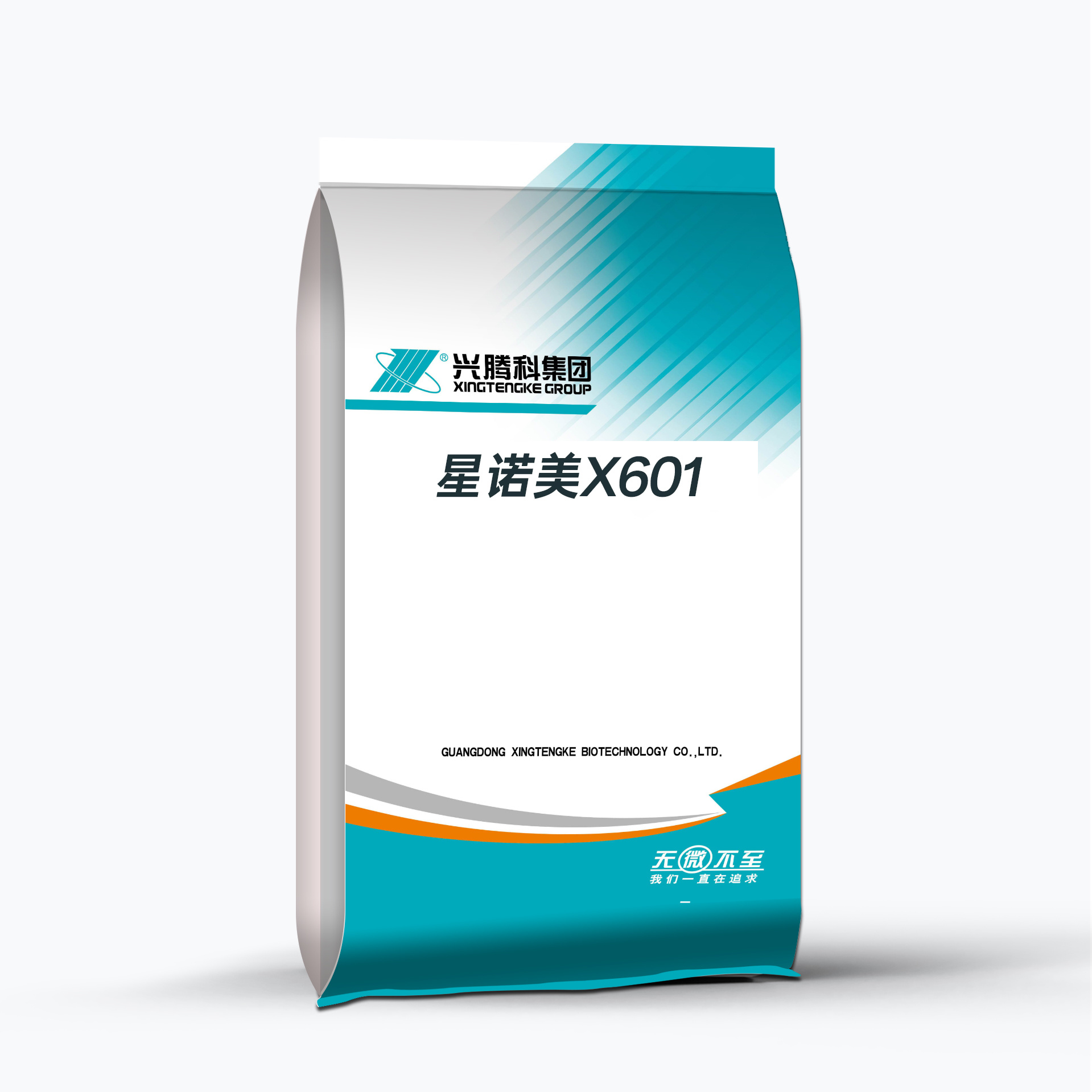
trace mineral premix for poultry farming


Suntaq International Limited





Contact Information
Add: No.5, Circuit Road, Zhaoqing High-tech Zone, Guangdong Province
Email: cson54@xingtengke.com
WhatsApp: +86-13602982201