

Unlocking the Benefits of Small Peptide Mineral Chelates in Animal Feed
Release time:
2026-01-16 10:20
Source:
Small peptide mineral chelates represent a significant advancement in the field of animal nutrition, especially in the context of animal feed. These chelates are formed by the bonding of minerals with small peptides, which are short chains of amino acids. This unique combination enhances the bioavailability of essential minerals in the animal's diet, offering a range of benefits that can lead to improved health and performance.
One of the primary advantages of small peptide mineral chelates is their ability to facilitate better absorption of minerals in the digestive tract. Traditional mineral sources can often be poorly absorbed due to various factors, including interactions with other dietary components. In contrast, small peptide mineral chelates protect the minerals from these interactions, ensuring they are more readily available for absorption. This leads to enhanced mineral status in animals, which is crucial for optimal physiological functions such as immune response, growth, and reproduction.
Furthermore, the use of small peptide mineral chelates in animal feed can contribute to improved feed efficiency. Animals consuming feed supplemented with these chelates are more likely to utilize the nutrients effectively, leading to better growth rates and overall health. This efficiency not only benefits the animals but also translates into economic advantages for producers through reduced feed costs and improved production outcomes.
Another compelling aspect of small peptide mineral chelates is their potential role in enhancing animal resilience and reducing stress. By providing essential minerals in a more bioavailable form, these chelates can help bolster the immune system, making animals less susceptible to diseases. This is particularly advantageous during periods of stress, such as weaning, transportation, or environmental changes, where animals are more vulnerable to health issues.
Moreover, the use of small peptide mineral chelates can also contribute to sustainable farming practices. With improved mineral absorption and utilization, there is a reduced need for higher quantities of mineral supplementation, leading to a decrease in mineral excretion into the environment. This helps to mitigate the impact of livestock farming on soil and water quality, aligning with the increasing demand for more sustainable agricultural practices.
In conclusion, small peptide mineral chelates offer a promising solution for enhancing animal feed quality and efficacy. Their ability to improve mineral bioavailability, promote feed efficiency, support animal health, and contribute to sustainability makes them an invaluable addition to modern livestock nutrition strategies. As research continues to unfold, the benefits of incorporating small peptide mineral chelates into animal feed will likely become even more pronounced, providing a pathway for healthier animals and more productive farming systems.
One of the primary advantages of small peptide mineral chelates is their ability to facilitate better absorption of minerals in the digestive tract. Traditional mineral sources can often be poorly absorbed due to various factors, including interactions with other dietary components. In contrast, small peptide mineral chelates protect the minerals from these interactions, ensuring they are more readily available for absorption. This leads to enhanced mineral status in animals, which is crucial for optimal physiological functions such as immune response, growth, and reproduction.
Furthermore, the use of small peptide mineral chelates in animal feed can contribute to improved feed efficiency. Animals consuming feed supplemented with these chelates are more likely to utilize the nutrients effectively, leading to better growth rates and overall health. This efficiency not only benefits the animals but also translates into economic advantages for producers through reduced feed costs and improved production outcomes.
Another compelling aspect of small peptide mineral chelates is their potential role in enhancing animal resilience and reducing stress. By providing essential minerals in a more bioavailable form, these chelates can help bolster the immune system, making animals less susceptible to diseases. This is particularly advantageous during periods of stress, such as weaning, transportation, or environmental changes, where animals are more vulnerable to health issues.
Moreover, the use of small peptide mineral chelates can also contribute to sustainable farming practices. With improved mineral absorption and utilization, there is a reduced need for higher quantities of mineral supplementation, leading to a decrease in mineral excretion into the environment. This helps to mitigate the impact of livestock farming on soil and water quality, aligning with the increasing demand for more sustainable agricultural practices.
In conclusion, small peptide mineral chelates offer a promising solution for enhancing animal feed quality and efficacy. Their ability to improve mineral bioavailability, promote feed efficiency, support animal health, and contribute to sustainability makes them an invaluable addition to modern livestock nutrition strategies. As research continues to unfold, the benefits of incorporating small peptide mineral chelates into animal feed will likely become even more pronounced, providing a pathway for healthier animals and more productive farming systems.
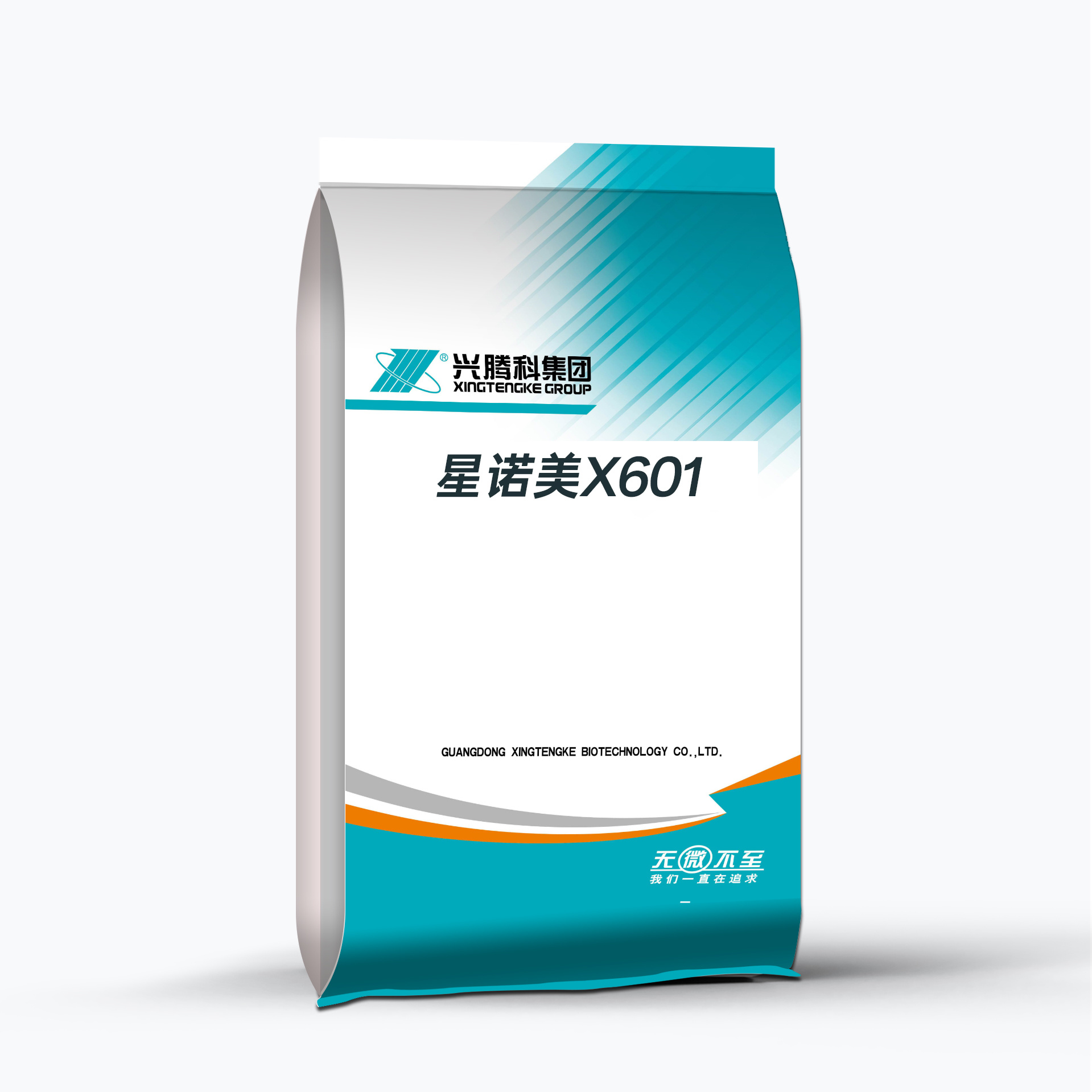
small peptide mineral chelates for animal feed


Suntaq International Limited





Contact Information
Add: No.5, Circuit Road, Zhaoqing High-tech Zone, Guangdong Province
Email: cson54@xingtengke.com
WhatsApp: +86-13602982201