

The Advantages of Using Amino Acid Chelated Copper in Pig Farming
Release time:
2025-12-29 09:20
Source:
The Advantages of Using Amino Acid Chelated Copper in Pig Farming
In the ever-evolving field of agriculture, pig farming has seen significant advancements, especially concerning animal nutrition. One such innovation is the use of **amino acid chelated copper**, which has gained traction for its numerous benefits. This article delves into the advantages of this specialized supplement, revealing its importance in promoting the health and productivity of pigs.
Understanding Amino Acid Chelated Copper
Amino acid chelated copper is a form of copper that has been chemically bonded with amino acids. This process enhances the bioavailability of copper, making it easier for the pig's body to absorb and utilize the mineral. Copper plays a crucial role in various physiological processes, including enzyme function, iron metabolism, and immune response.
The Role of Copper in Pig Nutrition
Copper is an essential trace mineral that contributes significantly to the overall health of pigs. It aids in:
- **Hemoglobin Formation**: Copper is vital for the synthesis of hemoglobin, which carries oxygen in the blood.
- **Collagen Production**: It supports the formation of collagen, promoting healthy skin and connective tissues.
- **Immune Function**: Adequate copper levels are necessary for a robust immune response, helping pigs resist infections.
Due to these critical functions, ensuring that pigs receive the right amount of copper is essential for their growth and well-being.
Benefits of Amino Acid Chelated Copper in Pig Farming
The use of amino acid chelated copper provides several key advantages for pig farmers:
Enhanced Absorption and Bioavailability
One of the most significant benefits of amino acid chelated copper is its enhanced absorption. Traditional forms of copper may be less bioavailable, leading to inadequate uptake in the digestive system. With amino acid chelation, the mineral is absorbed more effectively, ensuring pigs receive the necessary copper to thrive.
Improved Growth Rates and Feed Conversion
Research has shown that incorporating amino acid chelated copper into pig diets can result in improved growth rates. Pigs receiving this supplement often exhibit better feed conversion ratios, meaning they gain weight more efficiently relative to the amount of feed consumed.
Boosting the Immune System
Pigs are susceptible to various diseases, especially during the early stages of life. Amino acid chelated copper can bolster the immune system, reducing the incidence of infections. A strong immune response not only leads to healthier animals but also translates to lower veterinary costs for farmers.
Reducing Stress and Promoting Overall Well-being
Stress can negatively impact pig health and productivity. By ensuring adequate copper levels through amino acid chelation, farmers can help mitigate the effects of stress, leading to calmer and more productive animals. This is particularly beneficial during stressful situations such as weaning or transport.
Optimizing Pig Diets with Amino Acid Chelated Copper
To maximize the benefits of amino acid chelated copper, it is essential to incorporate it effectively into pig diets. Here are some strategies for optimizing its use:
Consulting with Animal Nutritionists
Working with trained animal nutritionists can help farmers design balanced diets that meet the specific needs of their pigs. Nutritionists can recommend the appropriate levels of amino acid chelated copper based on the pigs' age, weight, and production goals.
Monitoring Copper Levels
Regular monitoring of copper levels in pig diets is crucial. Too much copper can lead to toxicity, while too little can result in deficiencies. Using blood tests and feed analysis can help maintain optimal copper levels.
Regulatory Considerations and Best Practices
When using amino acid chelated copper in pig farming, farmers must adhere to regulations governing mineral supplementation. This includes understanding the maximum allowable copper levels in feed and ensuring compliance with local and national guidelines.
Best Practices for Implementation
To effectively implement amino acid chelated copper in pig farming, consider the following best practices:
- **Gradual Introduction**: Introduce the supplement gradually to allow pigs to adjust.
- **Consistency**: Maintain consistent copper levels in feed to avoid fluctuations that can affect pig health.
- **Education and Training**: Ensure farm staff are educated about the benefits and proper use of amino acid chelated copper.
Case Studies: Successful Implementation in Pig Farms
Real-world examples demonstrate the effectiveness of amino acid chelated copper in enhancing pig farming operations. Several farms have reported significant improvements in growth rates, feed efficiency, and overall health after incorporating this supplement into their feeding programs.
Case Study 1: Improved Growth Performance
At a mid-sized farm in the Midwest, the introduction of amino acid chelated copper resulted in a 15% increase in average daily gain over a six-month period. Farmers noted that the pigs also exhibited reduced signs of respiratory distress, leading to lower antibiotic usage.
Case Study 2: Cost Savings and Productivity
A large-scale pig operation implemented amino acid chelated copper and saw a reduction in feed costs due to improved feed conversion ratios. The farm also reported healthier pigs, resulting in fewer veterinary visits and associated costs.
Frequently Asked Questions (FAQs)
1. What is amino acid chelated copper, and why is it important in pig farming?
Amino acid chelated copper is a form of copper bonded with amino acids, enhancing its absorption and bioavailability in pigs. It plays a vital role in health, growth, and immune function.
2. How does amino acid chelated copper improve pig growth rates?
By enhancing the absorption of copper, pigs can utilize the mineral more effectively, leading to improved growth rates and feed conversion ratios.
3. Are there any risks associated with using amino acid chelated copper?
While it is generally safe, excessive copper can lead to toxicity. It is essential to monitor copper levels in diets and comply with regulatory guidelines.
4. Can amino acid chelated copper reduce the need for antibiotics?
Yes, by boosting the immune system and promoting overall health, amino acid chelated copper can reduce the incidence of diseases, potentially decreasing the need for antibiotic treatments.
5. How can farmers effectively incorporate amino acid chelated copper into pig diets?
Farmers should consult with animal nutritionists, monitor copper levels, and follow best practices for gradual introduction and consistent use.
Conclusion
In summary, the use of **amino acid chelated copper** in pig farming offers substantial benefits, including enhanced absorption, improved growth rates, and a stronger immune system. By adopting this advanced nutritional strategy, farmers can optimize their operations, promote better animal health, and achieve greater productivity. As the industry continues to innovate, integrating such supplements will play a crucial role in the future of sustainable and efficient pig farming. Embracing these advancements ensures that farmers remain competitive while providing high-quality products to the market.
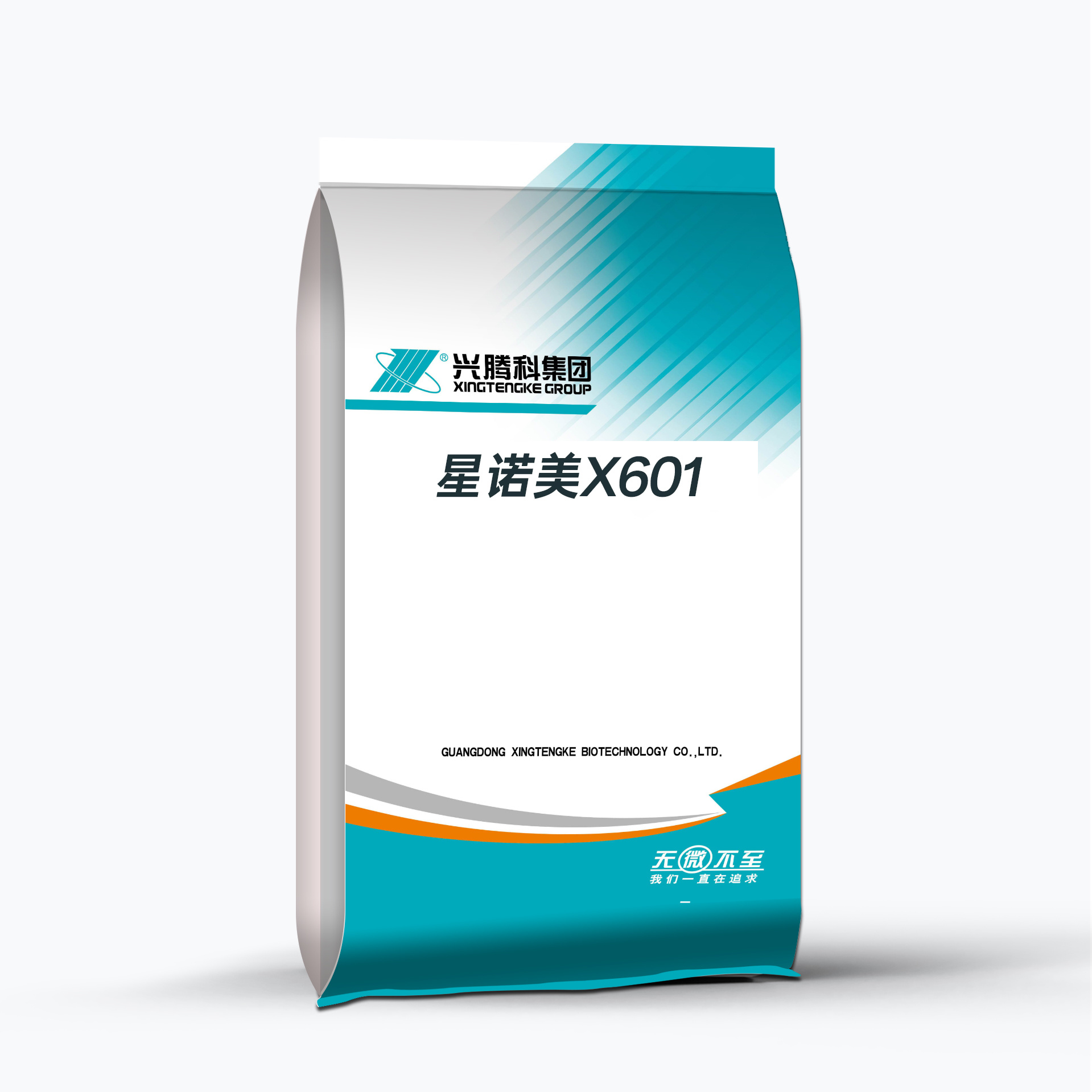
amino acid chelated copper for pigs


Suntaq International Limited





Contact Information
Add: No.5, Circuit Road, Zhaoqing High-tech Zone, Guangdong Province
Email: cson54@xingtengke.com
WhatsApp: +86-13602982201