

Xingnuomei | Organic Trace Elements and Aquaculture
Release time:
2022-04-14 09:36
Source:
Today's News
In spring, the temperature gradually rises, the temperature difference between day and night is large, and the weather changes frequently. It is a key period for aquatic animals to prevent diseases and improve survival rate and quality.
(Source: Fisheries and Fisheries Administration of the Ministry of Agriculture and Rural Affairs)
trace elementIt is an indispensable additive in aquaculture, which can promote the growth of fish, shrimp and crabs, improve production performance, reduce feed coefficient and improve survival rate. It plays a very important role in the growth, development and reproduction of fish, shrimp and crab.
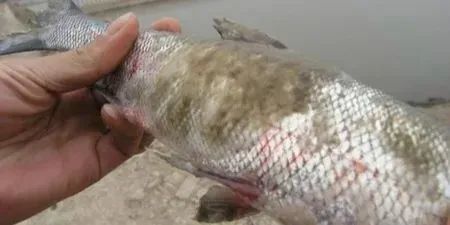
General mineral inorganic salt additives existPoor palatability, low nutritional value, low digestibilityA series of deficiencies. Sheman et al. reported that the utilization of trace elements in the form of inorganic salts in vivo is usually affected by many factors, and its bioavailability can be less than 20%. And the aquaculture water pollution, so that the water deterioration, resulting inWater anoxia, fish disease spreadand a series of secondary problems (Liu Jun, 2005).

water deterioration
fish disease
(Source Network)
organic trace element chelateIt has the advantages of good stability, high biological potency, low toxicity, good palatability, anti-interference, anti-stress, and pollution reduction.
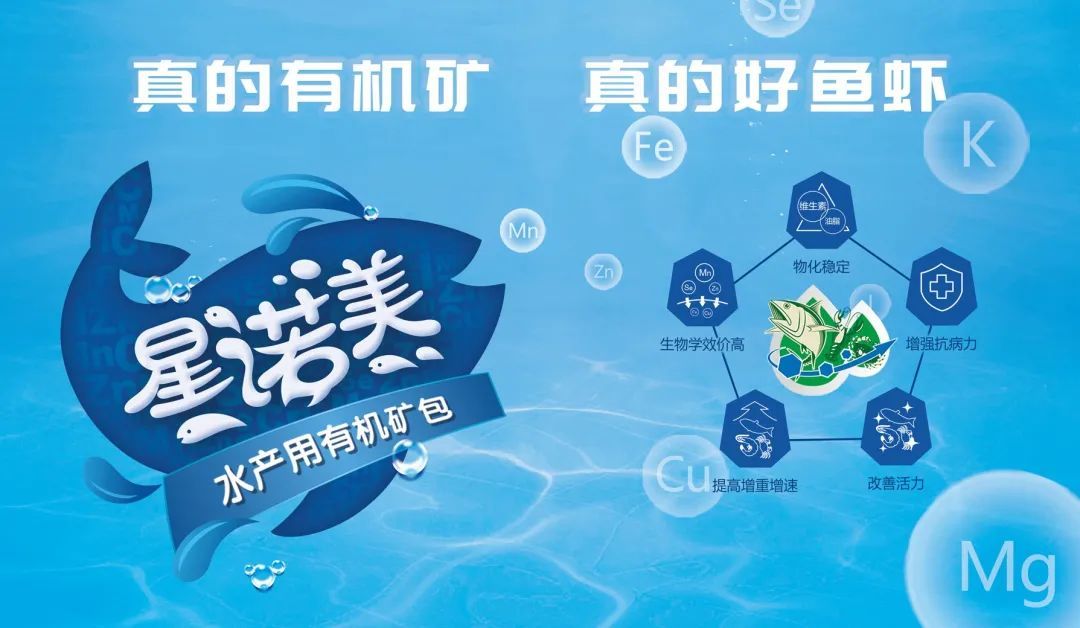
Xingnuomei--Aquatic trace element composite ore, organic trace elements and inorganic trace elements compound, multi-channel absorption, rapid supplement of minerals required by aquaculture animals.
Product efficacy
-
High biological potency:Improve the digestion and absorption rate, a variety of organic trace elements, multi-channel absorption system, improve the effective absorption of trace elements in the digestive tract of fish;
-
Physical and chemical stability:Strong stability, unique stabilization process, can significantly reduce the damage of trace elements to vitamins, oils and other nutrients;
-
improve immunity fry:Enhance disease resistance, reduce disease occurrence, improve survival rate;
-
Increase the growth rate of weight gain:Improve the growth rate and weight gain of the fish, reduce the bait coefficient;
-
Improve meat quality and reduce stress:Enhance the vitality of adult fish, reduce the stress of fishing and transportation, and extend the transportation time.
In addition, a large numberTest dataThe results show that the organic trace element chelate has high biological potency, strong stability and good palatability, which can promote the growth of fish, reduce the bait coefficient, improve the level of meat nutrition, and reduce the cost of breeding to a certain extent.
organic trace element chelate
Role in fish production
①Zhuo qi lang et alIn eel, turtle and carp feed to add inorganic salt additives and trace elements of amino acid chelate for comparative tests, the results show that trace elements of the chelate instead of inorganic salt feeding eel, turtle and carp, fish bodyWeight gainObviously, at the same time can greatly reduce the destruction of vitamins, thus.Promote the growth of aquatic animals and reduce the bait coefficient.
②Song Jinmei, etc.In the carp feeding experiment, adding amino acid trace elements in each test group.Weight gain rate and feed conversion ratethan inorganic trace elements were increased by 8.8%, 10.2%.
③Li Aijie et alWith trace element methionine chelate fed Nile tilapia, in the case of adding the same amount of metal elements, fed amino acid chelate group than inorganic salt groupIncrease in daily weight gain35.5 percent,Increased feed utilization24.2 percent,survival rate increased8.3 per cent of the feed for every kilogram of fish gained.Cost reduction24.3 percent.
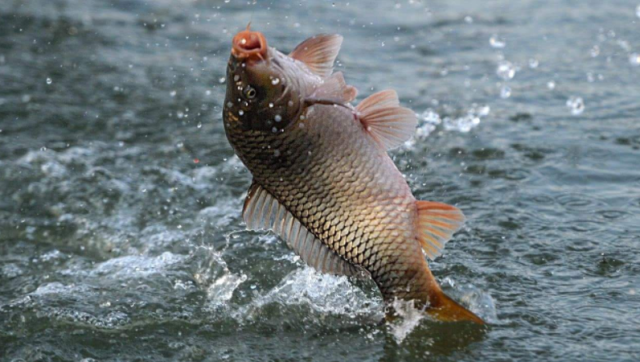
④Lv Jingcai et alIt is reported that in the comparative test of amino acid chelated mineral salt and inorganic mineral salt, the nutrition, palatability and absorption of amino acid chelated salt are better than inorganic salt, so the three test groups added chelated salt gain 68.1%, 46.9% and 37.2% more weight than the control group respectively. It is concluded that adding chelated salt can greatly increase the weight of carp.Improve feed utilization and significantly reduce breeding costs.
(Source Network)
⑤Zhao Yuanfeng et alThe test of Nile tilapia and carp showed that the experimental group of adding amino acid chelating trace elementsoxygen consumption rate was significantly lowercontrol group with addition of inorganic trace elements, whileThe ecological growth efficiency and tissue growth efficiency were much higher than the control group., indicating that the addition of chelated trace element additives to the feed is beneficial to the feeding of fish.rational use of energyThe ratio of protein to fat in the muscle of each experimental group added with chelating salt was slightly higher than that of the control group, indicating that chelating salt can not only promote the rapid growth of fish, but alsoImprove the nutritional level of the muscles.
⑥Marchetti等It is reported that vitamin A, microorganism D, microorganism E, vitamin K, vitamin B, riboflavin, vitamin B, vitamin B, vitamin C, nicotine, pantothenic acid, folic acid, biotin are mixed with sulfates of Cu,Zn,Fe,Mn,Co or chelates of their amino acids. Half of the mixture is stored at 37.3 ℃, the other half at 20.3 ℃, and the vitamin content is determined at 0,90,180 days. The results showed that the content of riboflavin, vitamin B and vitamin A, vitamin C and vitamin K in the sulfate mixture decreased significantly at 37.3 ℃, but there was almost no decrease in the amino acid chelate trace elements. This showsAmino acid chelate trace elements and vitamins coexist, will relatively reduce the oxidation of vitamins.
With the progress of science and technology and the enhancement of people's health consciousness, people pay more and more attention to the problem of food quality and safety. The state also introduced a lotFood safety, environmental safetyThe relevant policies to regulate industry behavior. In this context, organic trace elements feed additivesHealthy, efficient, environmentally friendlyThe advantages are highlighted.
Trace elements, Amino acids, Aquaculture

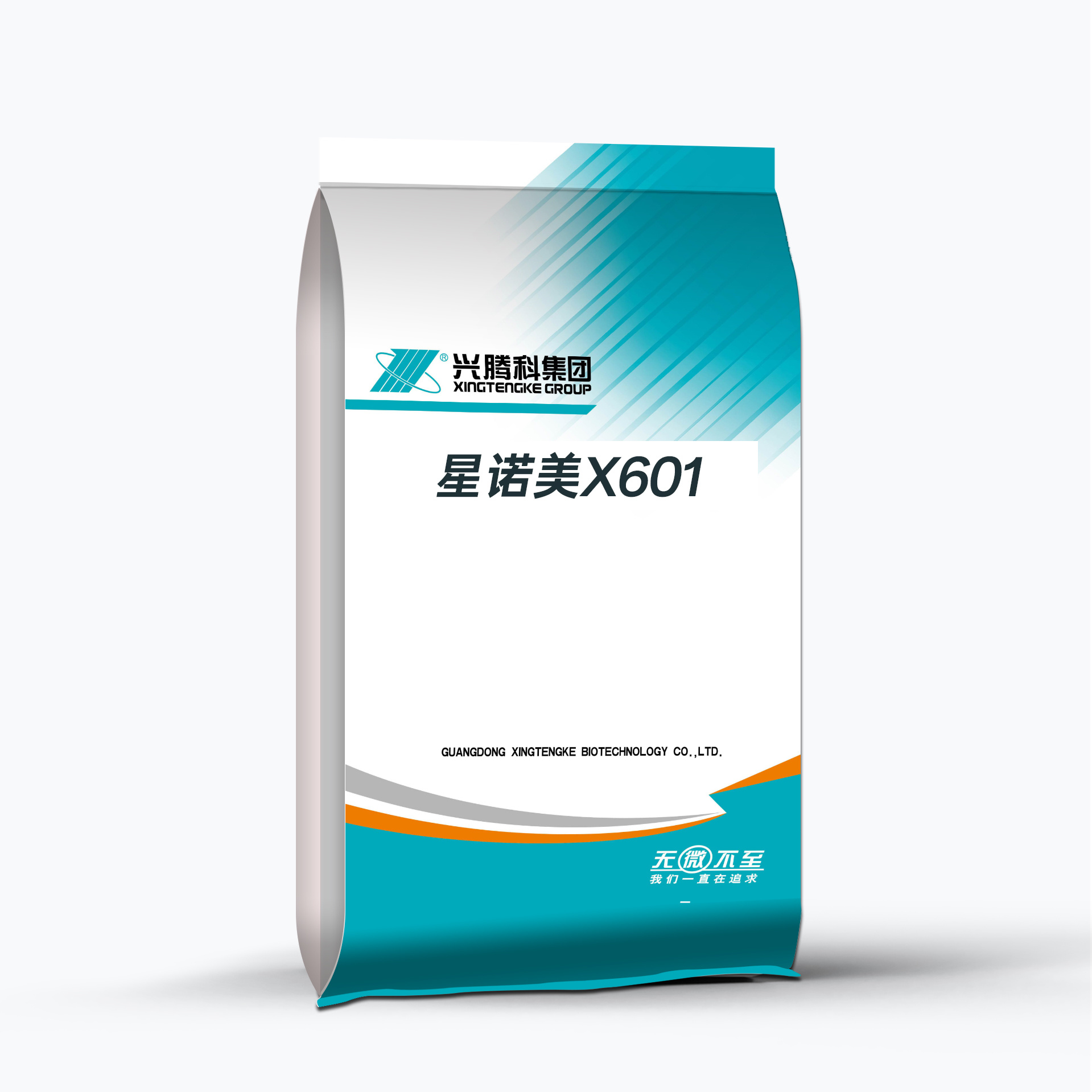

Suntaq International Limited





Contact Information
Add: No.5, Circuit Road, Zhaoqing High-tech Zone, Guangdong Province
Email: cson54@xingtengke.com
WhatsApp: +86-13602982201